
Urban Fox Guidance
Foxes in the UK: Practical Guidance for Peaceful Coexistence
Urban foxes are now a common part of life across many UK towns and cities. While most activity is harmless, it can sometimes raise concerns about noise, safety, or garden disruption.
This hub brings together clear, practical guidance on fox behaviour, prevention, and UK wildlife law, helping you respond calmly and responsibly.
Educational resource • Non-lethal approaches • UK-focused guidance
Start Here: Essential Guides
New to urban fox behaviour or dealing with a garden issue? Begin with these essential guides.
Urban fox Behaviour in the UK
Learn why foxes are moving into UK towns and cities, how they adapt to urban life, and what their behaviour really means.
Legal Responsibilities
Understand what UK wildlife law allows, what actions are illegal, and the humane boundaries every homeowner should follow.
Preventing Garden Problems
Practical and humane steps you can take to discourage fox activity and reduce problems in your garden.
Featured Guide
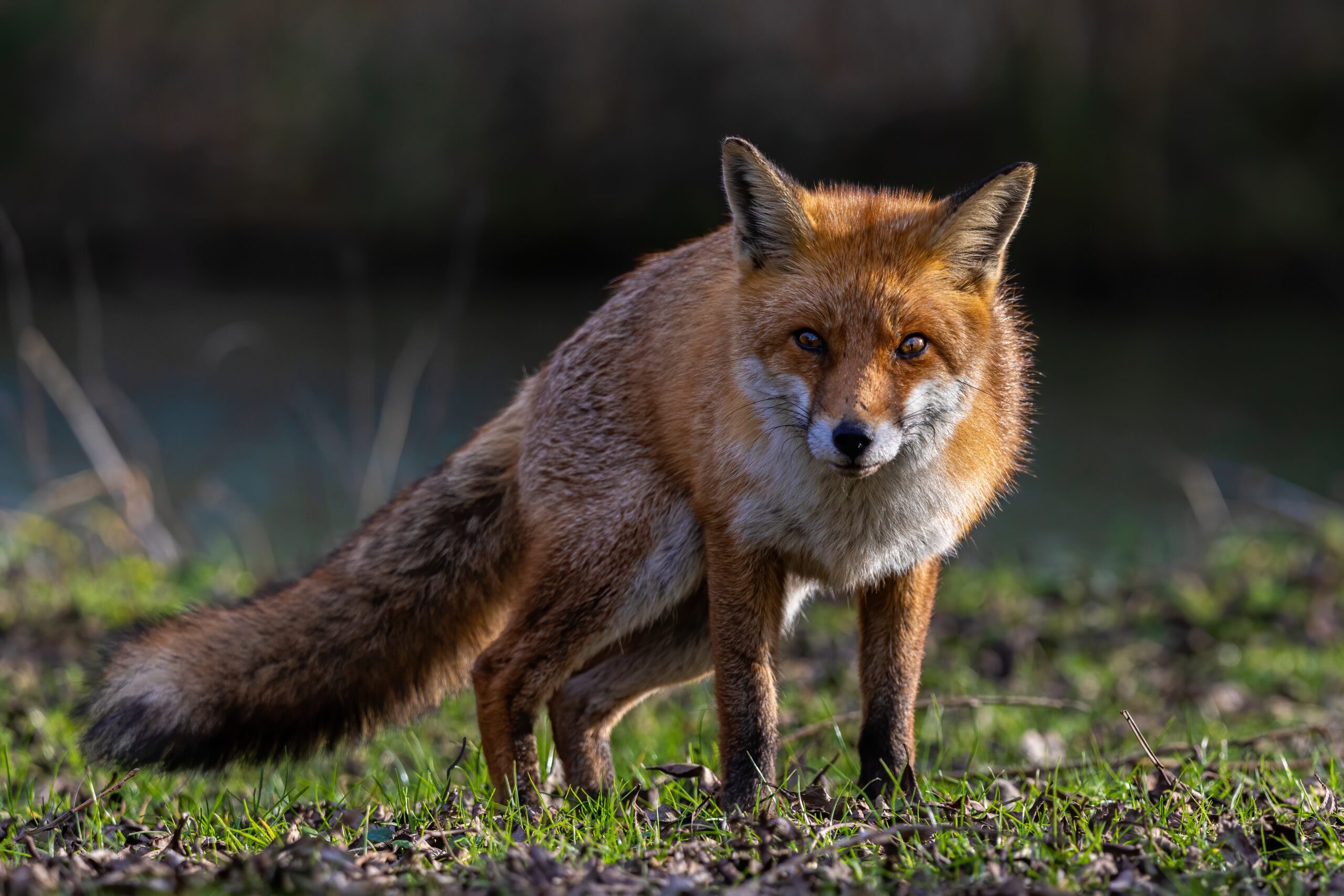
How to Deter Foxes Legally in the UK
Urban foxes are now a familiar part of life across many UK towns and cities. For some people, they are a welcome presence. For others, they can cause frustration — digging up lawns, tearing into bins, making noise at night, or unsettling pets.
If you’re experiencing problems, this guide explains how to deter foxes legally and humanely using practical methods that reduce conflict without harming wildlife.
For a more step-by-step approach, you can also explore our guide to fox-proofing your garden, which focuses on removing the food, shelter, and access points that attract foxes in the first place.
Understanding Fox Behaviour
What Time Do Foxes Come Out at Night?
When foxes are most active in the UK and why they are commonly seen after dark in towns and cities.
Where Do Foxes Sleep?
Where foxes hide and rest during the day, and why they are rarely seen in daylight.
Why Do foxes Keep coming Back to My Garden?
Why foxes return to the same gardens and what encourages repeat visits.
How Big Is a Fox Territory in the UK?
Learn how far foxes travel, how territories work, and why urban foxes often return to the same areas.
Common Questions About Urban Foxes
What time are foxes active?
Foxes are most active at dusk, during the night, and around dawn. Activity levels vary depending on food availability, weather, and season.
What Time Do Foxes Come Out at Night? →
Where do foxes sleep?
Foxes rest in sheltered locations such as dense vegetation, under sheds, in hedgerows, or in underground dens when necessary.
Why do foxes keep coming back to my garden?
Foxes often return to places where food, shelter, or safe routes are available. Even small attractants can encourage repeat visits.
Why Do Foxes Keep Coming Back To My Garden? →
What attracts foxes to gardens?
Foxes are attracted to food sources, accessible shelter, compost, unsecured waste, and quiet resting areas.
What Attracts Foxes to Gardens? →
Can foxes climb fences?
Yes. Foxes can climb many types of fences and are also capable jumpers. However, they usually enter gardens because food, shelter, or safe travel routes are available rather than because they are trying to overcome a barrier.
Are foxes dangerous to pets?
Most foxes pose little risk to pets such as cats or medium-sized dogs. However, small animals like rabbits, guinea pigs, or chickens can be vulnerable if left outside without secure protection.
Are Foxes Dangerous to Pets? →
How do I get rid of foxes in my garden?
Most fox problems can be reduced by removing food sources, blocking shelter, and limiting access.
How to Get Rid of Foxes in the Garden (UK) →
Is it legal to harm foxes in the UK?
UK law restricts harmful control methods. Humane deterrence and prevention are the recommended legal approaches.
Why do foxes scream at night?
Foxes often make loud vocal calls during the breeding season, particularly in winter. These sounds are used to communicate territory and attract mates, and while they can be startling, they are a normal part of fox behaviour.
Why Do Foxes Scream at Night? →
Why do foxes dig in gardens?
Foxes commonly dig while searching for insects and worms or when burying food. Gardens with soft soil, compost, or accessible food sources are especially attractive.
Why Do Foxes Dig Holes in Gardens? →
Browse All Fox Guidance
Explore more guidance on fox behaviour, prevention strategies, and responsible ways to manage wildlife interactions in the UK.
Understanding Fox Behaviour
- What Do Foxes Eat in Urban Areas?
- Why Are Foxes More Active at Night?
- Can Foxes See in the Dark?
- Where Do Foxes Go During the Day in the UK?
- Do Foxes Use the Same Den Every Year?
- When Do Foxes Have Cubs in the UK?
- Do Foxes Live Alone or in Groups?
- How Do Foxes Communicate With Each Other?
- Why Do Foxes Bark at Night?
- Why Do Foxes Scream at Night?
- How Far Do Foxes Travel in One Night?
- Why Do Foxes Follow the Same Route Every Night?
- Do Foxes Remember Places?
- Do Foxes Recognise People?
- Do Foxes Recognise Dogs?
- Why Do Foxes Stare at You?
- Why Do Foxes Keep Looking Back?
- Why Is a Fox Sitting in My Garden?
- Why Do Foxes Dig Holes in Gardens?
Foxes in Gardens & Prevention
- How to Deter Foxes Legally in the UK
- Preventing Fox Problems in UK Gardens: Practical, Humane Steps
- What Attracts Foxes to Gardens?
- Fox-Proofing Your Garden: Practical Ways to Reduce Fox Visits
- Can Foxes Climb Fences? Understanding How Foxes Access UK Gardens
- How to Stop Foxes Digging Up Your Lawn (UK)
- What Smells Do Foxes Hate?
- Do Foxes Hate Noise?
- Do Ultrasonic Fox Repellents Work?
- How to Get Rid of Foxes in the Garden (UK)
Safety, Wildlife Law & Coexistence
Our Approach to Wildlife Guidance
Coexist Wildlife provides practical, evidence-based guidance focused on safe and humane ways to live alongside British wildlife.
Our advice is based on established research, UK wildlife law, and guidance from organisations such as the RSPCA, The Wildlife Trusts, and The Mammal Society.
We focus on effective, non-lethal approaches that reduce conflict while allowing people and wildlife to safely share the same environment.
Independent guidance for living safely alongside British wildlife.