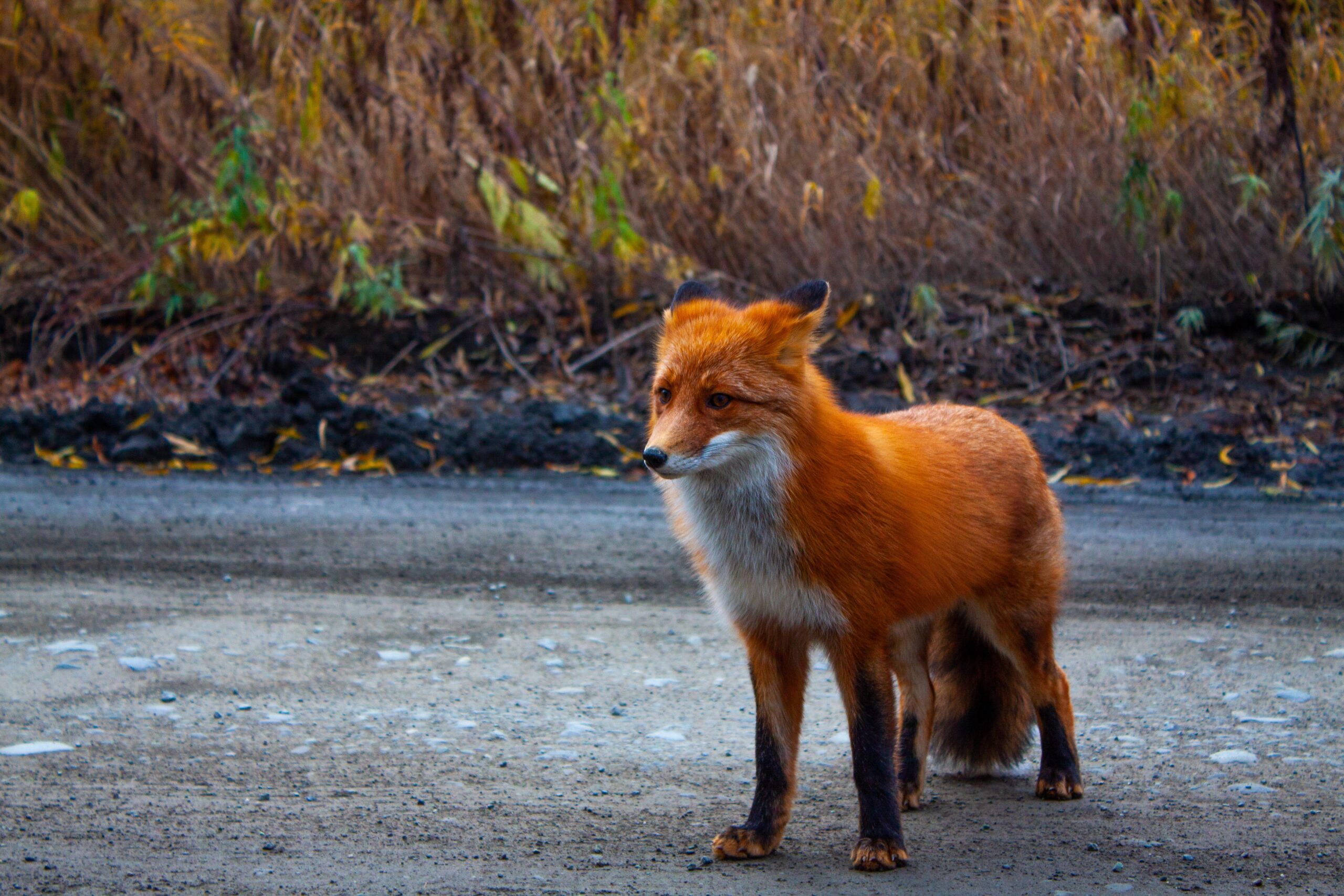
Seeing a fox in your garden or neighbourhood can sometimes raise concern, particularly if the animal appears close to people or remains nearby for longer than expected.
For some, this leads to a common question: are foxes dangerous to humans?
In the UK, fox attacks on people are extremely rare. Foxes are naturally cautious animals and will usually avoid direct contact with humans whenever possible.
Quick Answer
In most cases, foxes are not dangerous to humans in the UK. They are naturally wary animals and rarely approach people, with attacks being extremely uncommon.
Why Foxes Avoid Humans
Foxes are wild animals that rely on caution for survival.
In both rural and urban environments, they tend to avoid confrontation and retreat when they detect human presence.
This behaviour is shaped by:
- natural wariness of larger animals
- sensitivity to noise and movement
- learned avoidance of people
Even in towns and cities, where foxes are more accustomed to human activity, they rarely approach people directly.
If a fox appears to be watching from a distance, it is usually observing rather than preparing to interact.
Are Fox Attacks on Humans Common?
Fox attacks on humans in the UK are extremely uncommon.
There are very few verified cases, and serious incidents are exceptionally rare.
Most foxes will:
- run away when approached
- avoid well-lit or busy areas
- remain active at night when human activity is lower
Because of this, direct conflict between foxes and people is highly unlikely.
When Might a Fox Approach a Person?
Although foxes generally avoid humans, there are a few situations where they may appear less cautious.
Habituation to Food
If foxes are regularly fed by people, they may become less wary and more likely to approach gardens or outdoor spaces.
This does not mean the fox is aggressive, but it can reduce its natural avoidance behaviour.
Foxes are far more likely to return to places where food is consistently available. If you are noticing repeated visits, you can read more in this guide on why foxes keep coming back to gardens.
Curiosity
Young foxes, especially during late spring and summer, may appear more curious as they explore their surroundings.
They may pause and observe people from a distance before moving on.
Seasonal behaviour like this is common and often temporary. You can learn more about these patterns in our guide on when do foxes have cubs.
Urban Adaptation
In quieter residential areas, foxes may become accustomed to predictable human activity.
This can make them seem more confident, although they still avoid close interaction.
Urban environments provide reliable food and shelter, which is one reason foxes are increasingly seen in towns and cities. This is explained in more detail here in our guide on why foxes are moving into uk towns and cities.
Although foxes generally avoid humans, there are a few situations where they may appear less cautious.
Signs a Fox May Be Unwell
In rare cases, a fox may behave unusually due to illness or injury.
Signs to look for include:
- lack of fear toward people
- disorientation or confusion
- difficulty moving
- visible injury
- severe hair loss or mange
A fox showing these signs may require assistance from a wildlife rescue organisation.
Do Foxes Pose a Risk in Gardens?
For most households, foxes passing through gardens are not a safety risk.
They are usually:
- moving between areas within their territory
- searching for food
- resting briefly before continuing
Seeing a fox in your garden does not mean it is a threat.
If a fox is spending time in your garden, it is usually responding to environmental factors such as food or shelter.
You can read more about this behaviour in our guide on why a fox is sitting in your garden.
How to Respond to a Fox Encounter
If you see a fox nearby, the best approach is usually to remain calm and give it space.
In most cases, the fox will leave on its own.
If you want to encourage it to move on:
- make a small amount of noise
- stand up or move slowly
- open a door or step outside
Foxes are naturally cautious and will usually retreat once they are aware of your presence.
Avoid attempting to approach or interact with the animal.
Reducing the Likelihood of Close Encounters
Foxes are more likely to spend time in areas where food or shelter is easily available.
To reduce visits:
- secure household waste
- avoid leaving pet food outdoors
- block access to sheltered spaces under structures
- keep gardens clean and well-maintained
Our guide to how to deter foxes legally in the UK explains practical and humane ways to reduce fox activity around your home.
You can also read preventing fox problems in UK gardens for longer-term prevention strategies.
A Balanced Perspective
Foxes are a natural part of the UK’s wildlife and have adapted to living alongside people.
While their presence can sometimes feel unfamiliar, they are not a threat to human safety in normal circumstances.
Understanding their behaviour helps reduce unnecessary concern and allows for more practical, proportionate responses.
Key Takeaways
- Foxes are not considered dangerous to humans in the UK.
- Attacks on people are extremely rare.
- Most foxes avoid direct contact and will retreat when approached.
- Occasional close behaviour is usually linked to food or curiosity, not aggression.
- Simple preventative steps can reduce the likelihood of repeated encounters.
Common Questions About Foxes and Human Safety
Are foxes aggressive towards people?
No. Foxes are generally shy and avoid human interaction. Most will run away if approached.
Has anyone been attacked by a fox in the UK?
Verified attacks are extremely rare. Serious incidents are almost unheard of.
What should I do if a fox approaches me?
Stay calm and make your presence known. Foxes will usually retreat once they realise a person is nearby.
Is it safe to have foxes in my garden?
In most cases, yes. Foxes passing through gardens are a normal part of urban wildlife behaviour.
Sources and Guidance
This article draws on established wildlife research and UK guidance including:
- The Mammal Society – Red fox ecology and behaviour
- RSPCA – Advice on urban wildlife interactions
- The Wildlife Trusts – Living alongside foxes
- UK Government / DEFRA – Wildlife management guidance
For more guidance on living alongside foxes, visit our fox guidance hub, where you can explore behaviour, prevention strategies, and UK wildlife law.
0 responses to “Are Foxes Dangerous to Humans in the UK?”