-
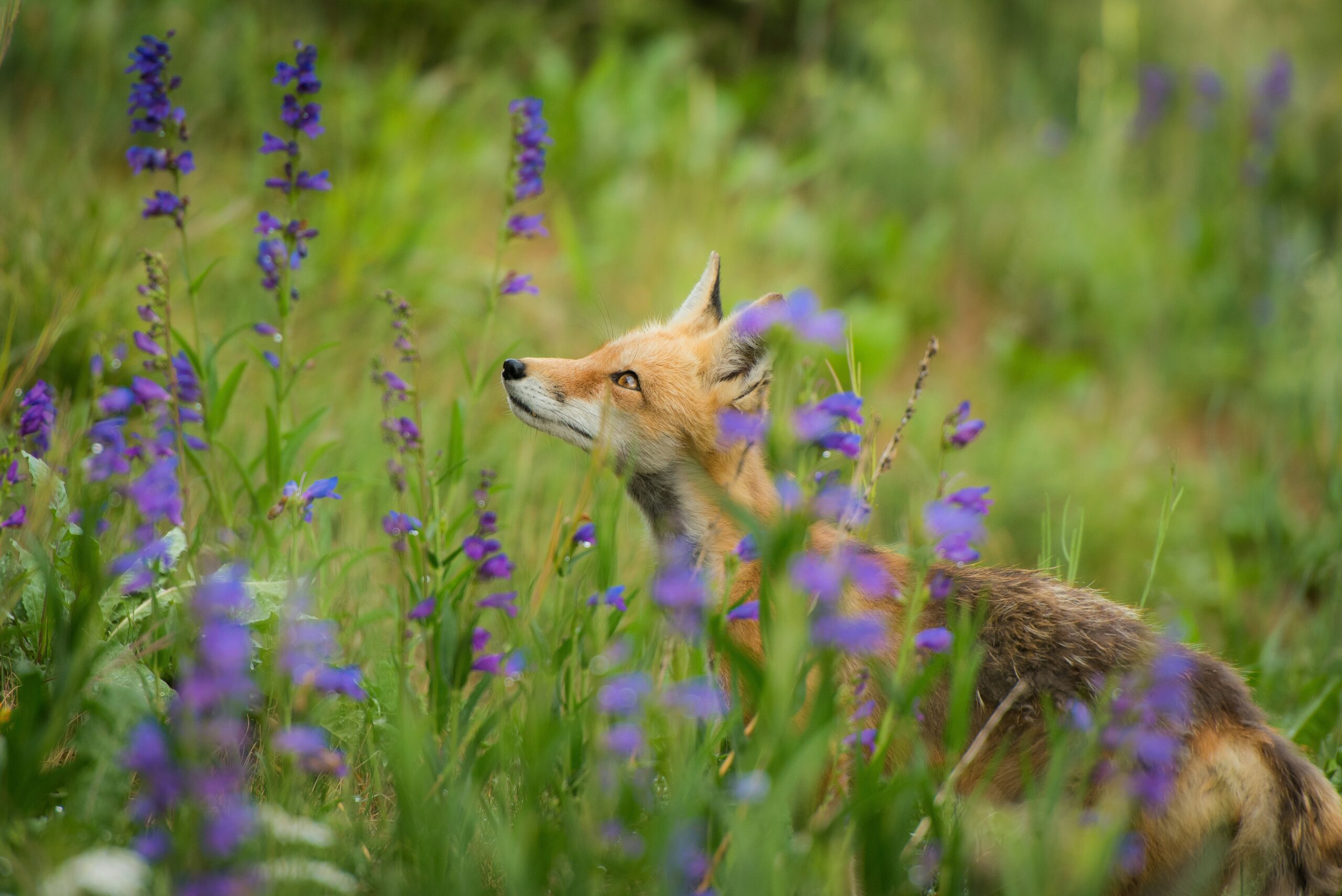
Foxes rely heavily on their sense of smell to understand the world around them. Long before a fox sees or hears a person, it may already know someone is nearby through scent carried on the wind or left behind on the ground. This ability helps foxes avoid danger, locate food, recognise familiar places, and move…
-

Foxes are often thought of as solitary animals, but they communicate with one another in a variety of sophisticated ways. Whether defending a territory, locating family members, attracting a mate, or avoiding conflict, foxes rely on a combination of sounds, scent, body language, and behaviour to share information. Much of this communication happens without direct…
-

Many dog owners have watched a fox pause, observe their pet, and then calmly continue on its way. In other situations, the fox may retreat immediately or avoid the area altogether. These different reactions often lead people to wonder whether foxes can actually recognise individual dogs or whether they simply respond to any potential threat.…
-

If you’ve ever watched a fox walk across a garden, along a fence, or down a quiet street, you may have noticed it repeatedly stopping to look back. Rather than continuing in a straight line, the fox often glances over its shoulder before moving on again. This behaviour can make it seem as though the…
-
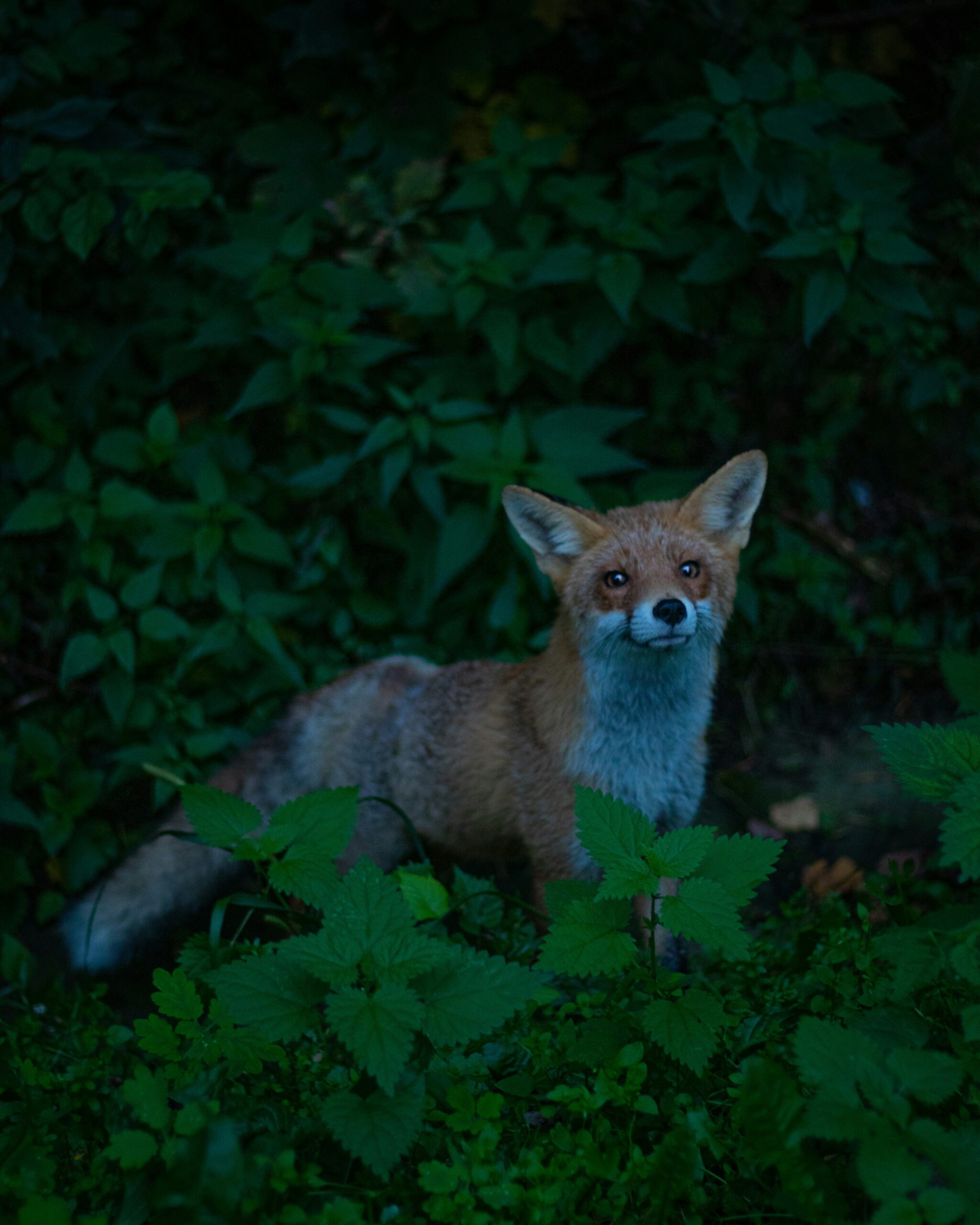
Foxes are most often seen during the evening, at night, or in the early hours of the morning. Whether they are crossing a road, moving through a garden, or searching for food, they often seem to navigate effortlessly in very low light. This leads many people to wonder whether foxes can actually see in the…
-
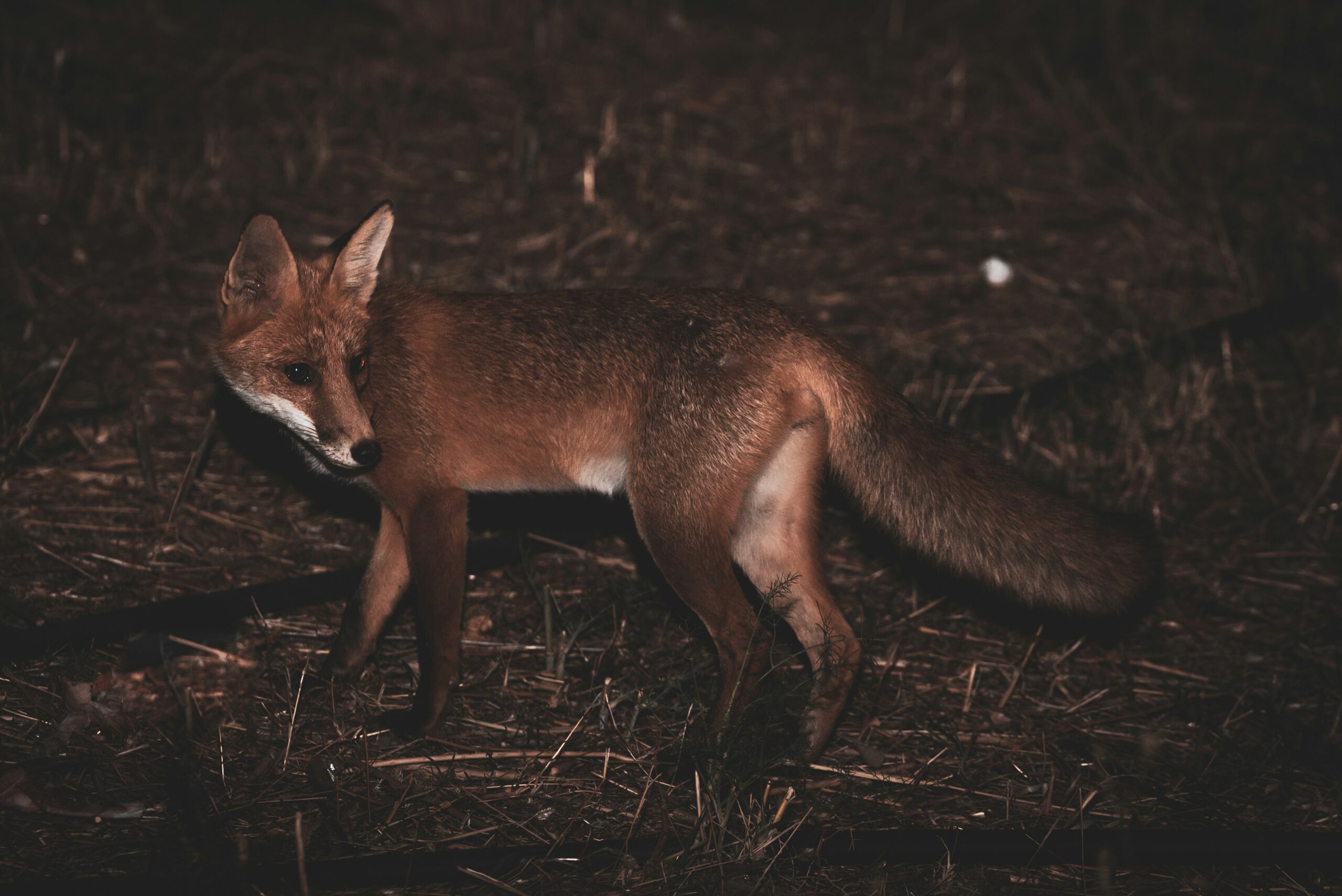
People are often surprised to see the same fox appearing in different parts of a neighbourhood within a single evening. A fox may be spotted in one garden at dusk, crossing a nearby road later that night, and returning to a familiar route before dawn. This naturally raises the question: how far do foxes actually…
-

Seeing a fox stop and stare can feel unsettling. Whether you encounter one in your garden, while walking home, or looking out of a window at night, a fox may pause for several seconds before quietly moving away. This often gives the impression that the animal is watching you deliberately. In reality, foxes usually stare…
-
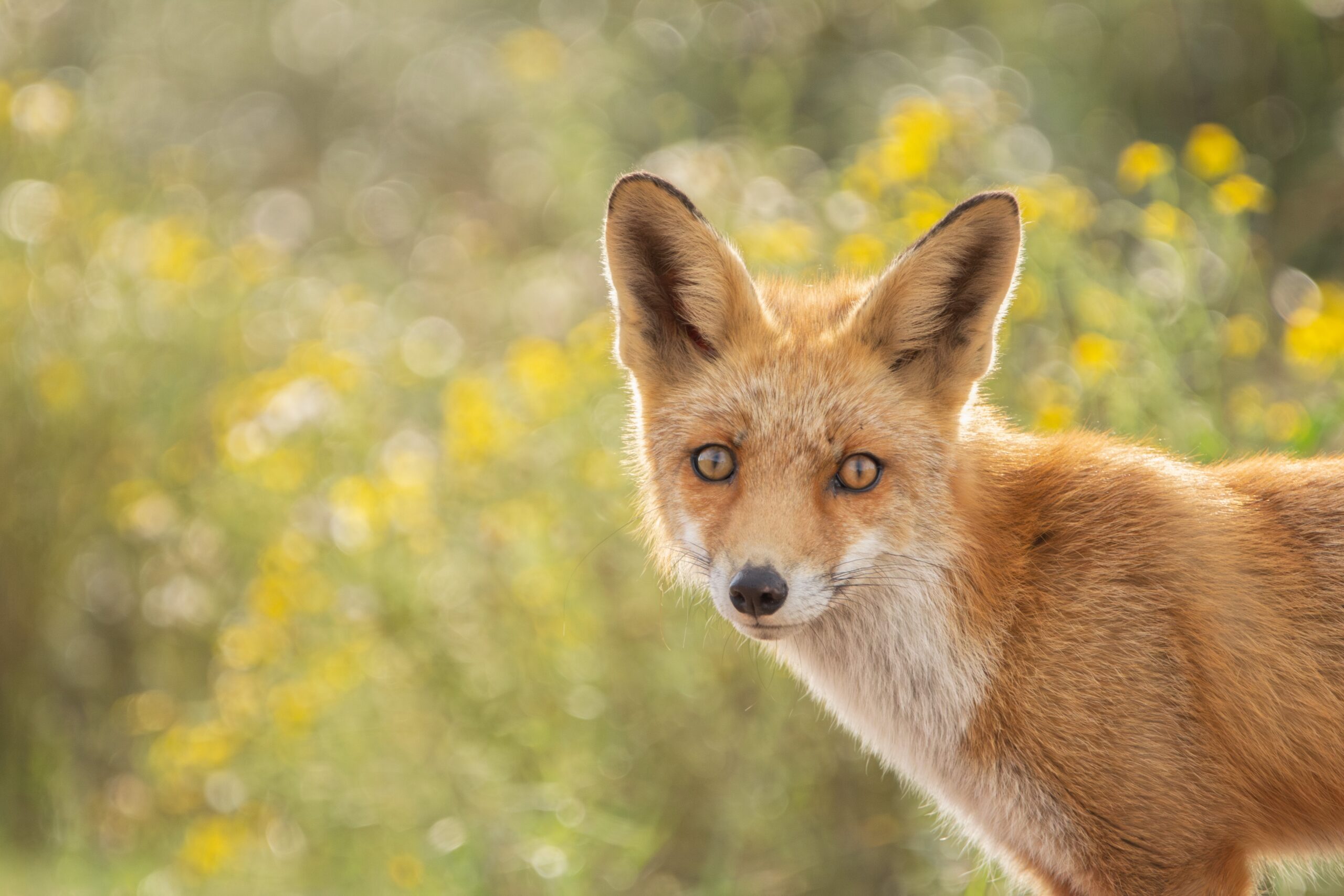
People who regularly see foxes in their garden often notice something surprising. A fox may pause and look directly at them, continue using a familiar route despite their presence, or appear less cautious than expected. These encounters naturally raise a question: do foxes actually recognise individual people? While foxes are still wild animals, research and…
-
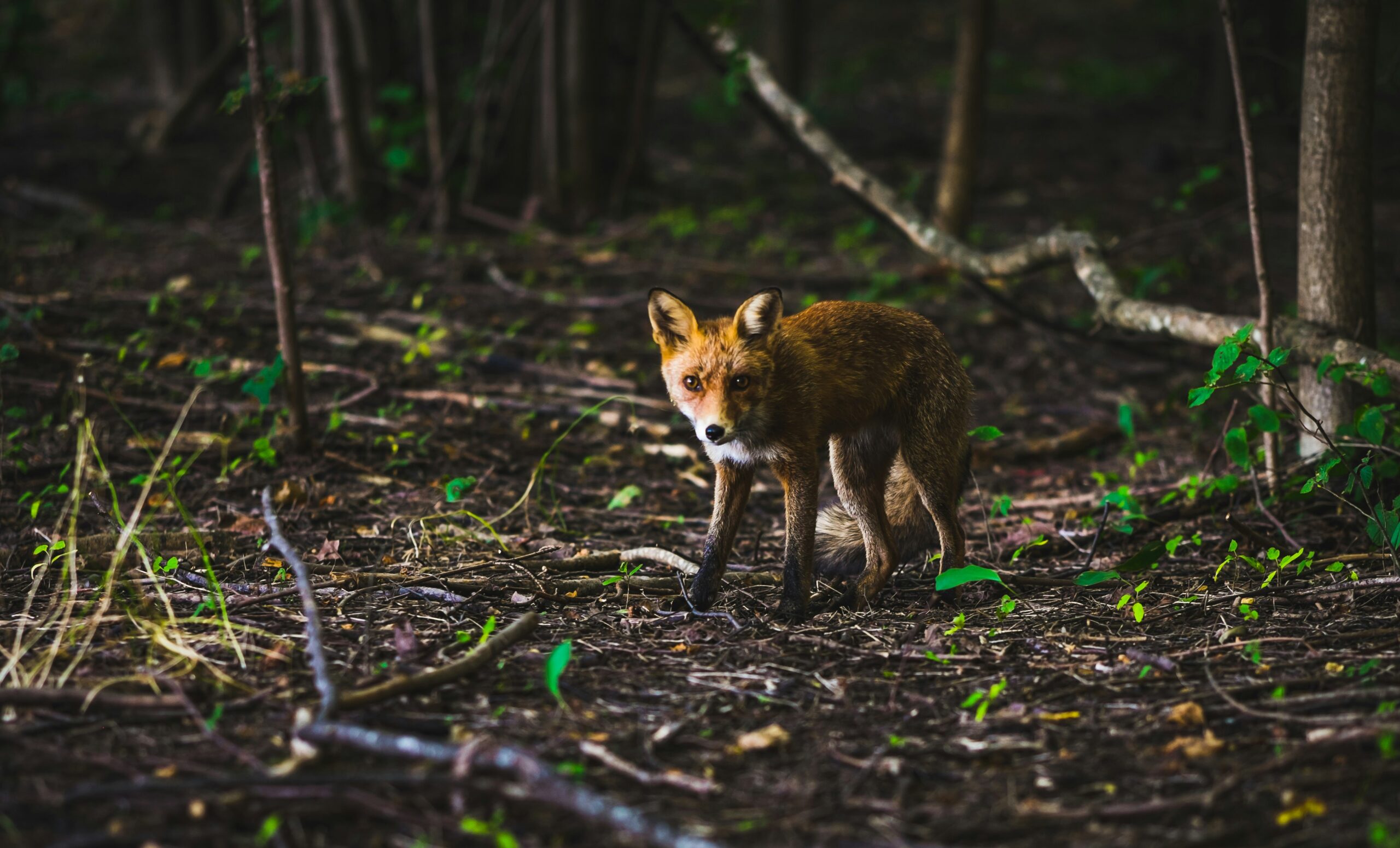
Many people only become aware of foxes after dark. A fox may suddenly appear in a garden, cross a quiet street, or be heard calling during the night. This often leads people to wonder why foxes seem to become active only after sunset. While foxes are capable of being active during the day, they are…
-
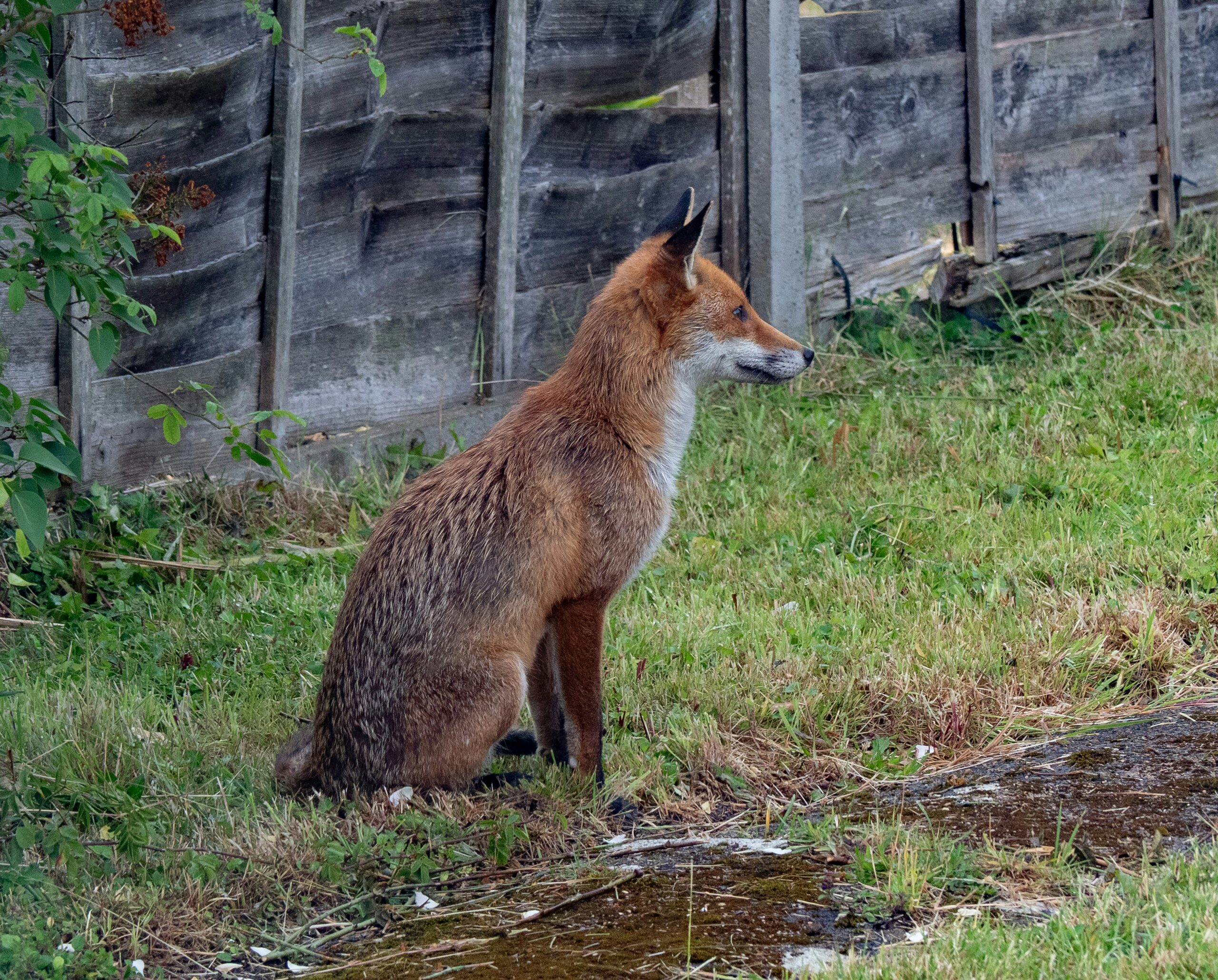
People who regularly see foxes in their garden often notice something surprising. A fox may return to the same area repeatedly, follow familiar routes, revisit old den sites, or appear to know exactly where food and shelter can be found. This naturally raises the question: do foxes actually remember places, or are these repeated visits…