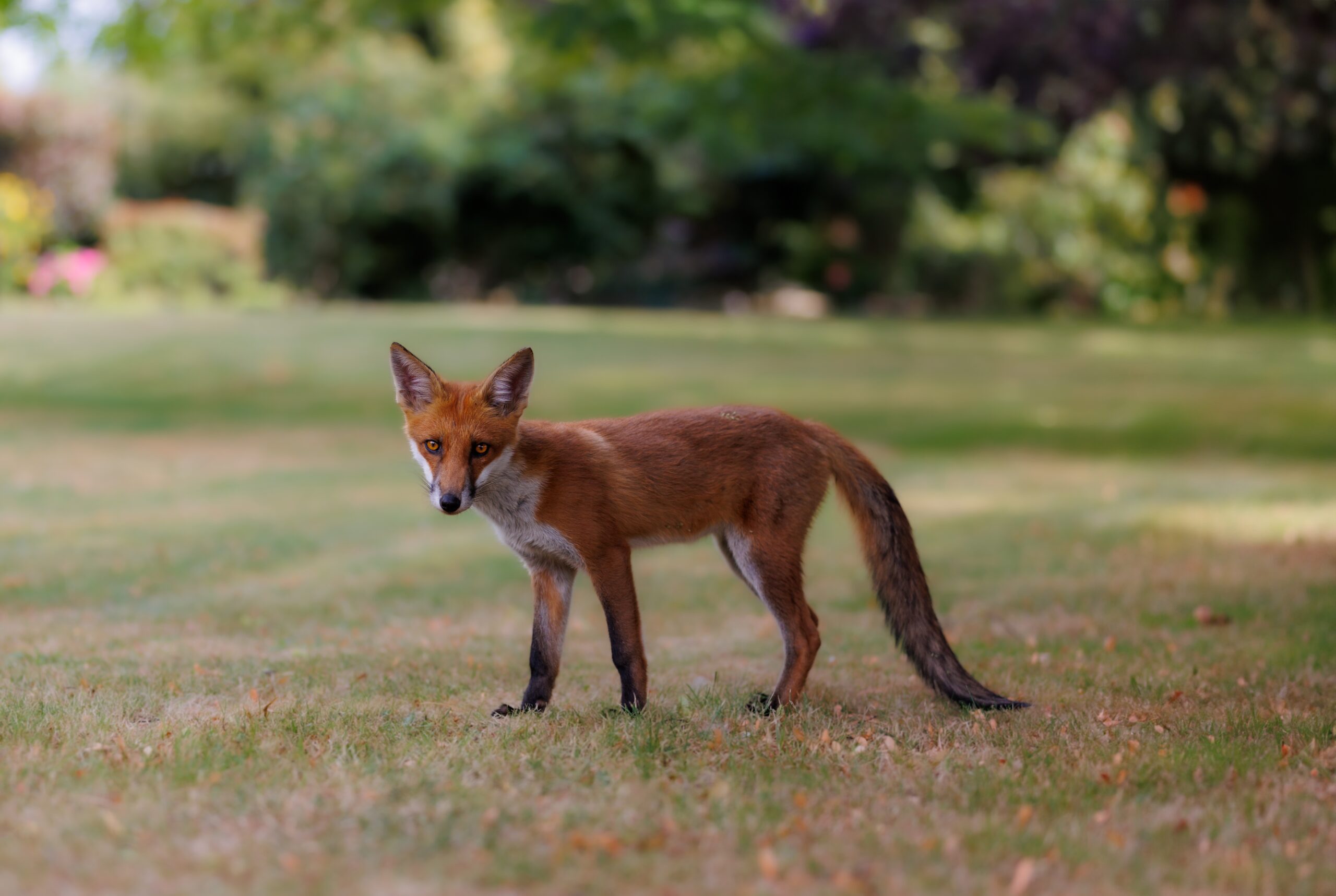
Many homeowners worry about the safety of their pets when foxes are seen nearby. Seeing a fox in the garden or hearing them at night can raise concerns about whether cats, dogs, or smaller animals are at risk.
In most cases, foxes are not dangerous to pets. Urban foxes are naturally cautious and tend to avoid direct contact with larger animals.
Understanding how foxes behave around pets can help reduce unnecessary concern and allow for practical, sensible precautions where needed.
Are Foxes Dangerous to Pets in the UK? (Quick Answer)
Foxes are generally not dangerous to pets in the UK. They are cautious animals that avoid confrontation, especially with larger pets like dogs and adult cats. However, small animals such as rabbits or chickens may be vulnerable if not securely protected.
How Foxes Typically Behave Around Pets
Foxes are opportunistic and risk-averse animals.
They prefer to avoid situations where they could be injured, as even minor injuries can threaten their survival.
In urban areas, foxes often live close to people and may become accustomed to seeing pets. However, this does not mean they are comfortable interacting with them.
Most foxes will:
- keep their distance
- move away if approached
- avoid direct confrontation
Our guide to why foxes are moving into UK towns and cities explains how foxes adapt to living alongside people and domestic animals.
Are Foxes Dangerous to Cats?
In most cases, no.
Adult cats are similar in size and agility to foxes. Because of this, foxes usually see cats as potential competitors rather than prey.
Encounters between foxes and cats are typically brief and involve:
- observing each other
- maintaining distance
- moving away
Serious attacks on healthy adult cats are extremely rare.
However, young kittens or injured cats may be more vulnerable.
Are Foxes Dangerous to Dogs?
Foxes are unlikely to attack dogs.
Even small dogs can appear threatening to a fox, and larger dogs are usually avoided entirely.
In most situations:
- foxes will retreat quickly
- dogs may chase foxes rather than the other way around
Occasional defensive behaviour can occur if a fox is cornered, but this is uncommon.
Supervising pets in the garden at night can reduce the chance of unexpected encounters.
Which Pets Are Most at Risk?
Small animals are more vulnerable.
Foxes are natural hunters and may prey on animals that are easy to access.
These include:
- rabbits
- guinea pigs
- chickens
- other small outdoor pets
Risk increases if these animals are:
- left outside overnight
- housed in insecure enclosures
- accessible from below or above
Proper housing is the most effective protection.
Why Foxes Enter Gardens With Pets
Foxes do not usually enter gardens to target pets.
They are typically attracted by:
- food sources
- shelter
- safe movement routes
If a fox repeatedly visits your garden, it is usually responding to environmental factors rather than the presence of pets.
Our guide to why foxes keep coming back to gardens explains how these patterns develop.
When Problems Can Occur
Although rare, conflicts can happen in certain situations.
These include:
- a fox feeling trapped or cornered
- competition over food sources
- access to vulnerable small animals
Even in these cases, foxes usually try to avoid prolonged interaction.
Understanding normal behaviour helps prevent unnecessary concern.
How to Keep Pets Safe Around Foxes
Simple precautions are usually enough to prevent problems.
Helpful steps include:
- keeping small animals in secure enclosures
- locking hutches at night
- supervising pets outdoors after dark
- removing leftover pet food from gardens
- securing bins and compost
These measures reduce both risk and the likelihood of fox visits.
Our guide to preventing fox problems in UK gardens explains these steps in more detail.
Should You Try to Deter Foxes?
If foxes are visiting frequently, humane deterrence may help.
This can include:
- motion-activated lights
- making noise when a fox is present
- increasing human activity in the garden
Foxes prefer predictable, quiet environments and may move on if disturbed regularly.
Our guide to how to deter foxes legally in the UK explains safe and lawful deterrence methods.
Understanding the Real Risk
For most households, foxes pose very little risk to pets.
Encounters are:
- uncommon
- usually non-aggressive
- brief
Concerns are often based on how unfamiliar fox behaviour can seem, rather than actual risk.
Understanding how foxes behave helps put these situations into perspective.
Key Takeaways
- Foxes are generally not dangerous to pets in the UK
- Adult cats and dogs are rarely at risk
- Small animals such as rabbits and chickens require secure housing
- Foxes avoid confrontation and prefer to retreat
- Simple precautions are usually enough to prevent problems
Frequently Asked Questions
Do foxes attack cats in the UK?
Serious attacks on adult cats are extremely rare. Foxes usually avoid direct conflict and treat cats as competitors rather than prey.
Can a fox kill a small dog?
This is very unlikely. Foxes tend to avoid dogs and will retreat rather than initiate conflict.
Are foxes dangerous to rabbits or chickens?
Yes, these animals can be vulnerable if not securely protected. Proper enclosures are essential.
Should I let my cat out at night if foxes are around?
Most adult cats are safe, but keeping pets indoors at night can reduce the chance of encounters.
Sources and Guidance
This article draws on established wildlife research and UK guidance including:
- The Wildlife Trusts – information on red fox behaviour and diet
- RSPCA – advice on fox behaviour and interactions with pets
- Department for Environment, Food & Rural Affairs – guidance on wildlife management
- Research by Stephen Harris and Philip J. Baker on urban fox behaviour and human interaction
0 responses to “Are Foxes Dangerous to Pets in the UK?”