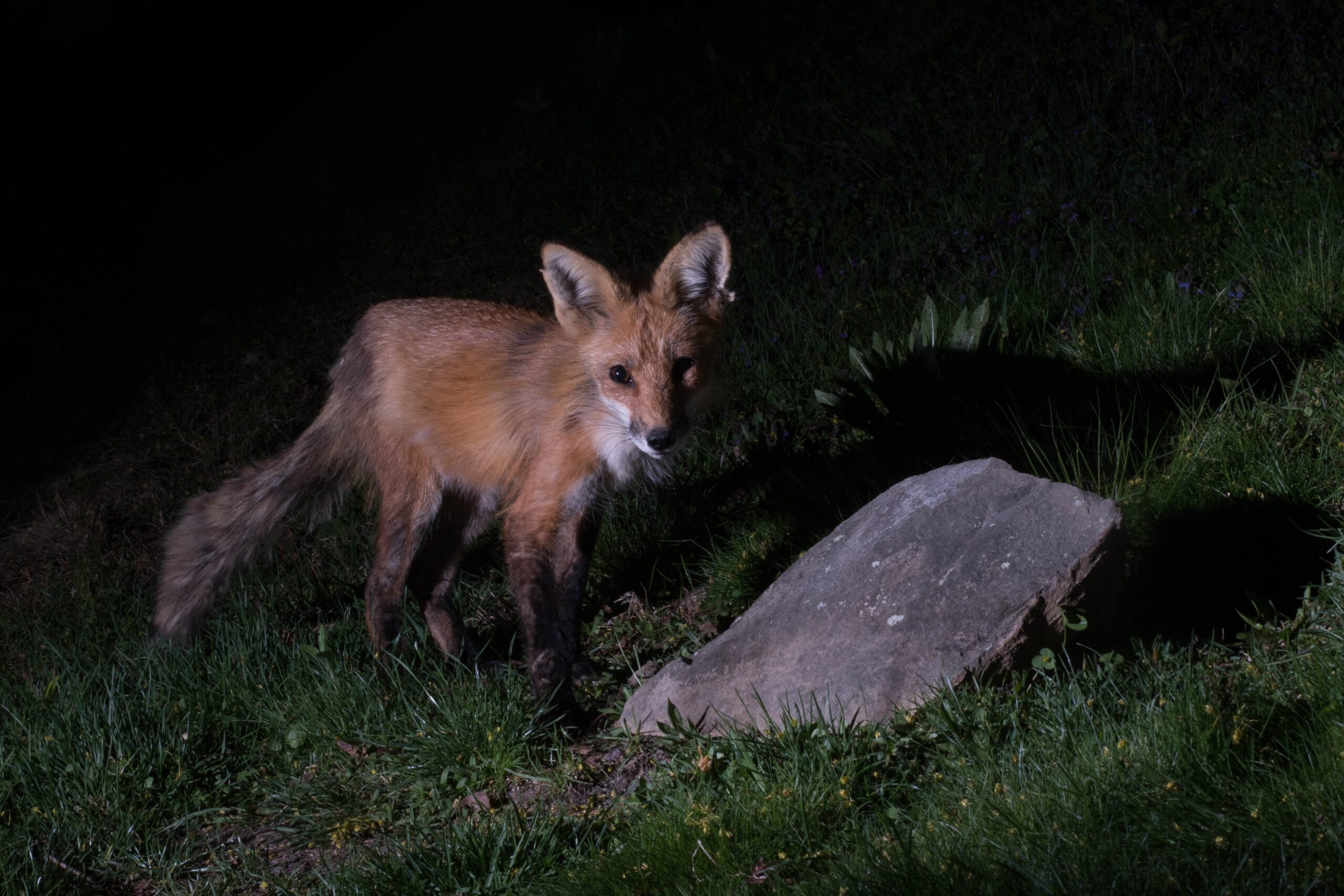
Hearing a fox scream at night can be unsettling. The sound is often loud, high-pitched and surprisingly human-like, sometimes echoing through quiet streets and gardens.
For many people, the noise immediately raises questions. Is an animal being attacked? Are foxes fighting? Or is something wrong?
In reality, foxes scream for several natural reasons. The behaviour is usually part of normal communication between foxes, particularly during the breeding season.
Understanding why foxes make these calls can help homeowners respond calmly and recognise that the sound is usually a normal part of urban wildlife activity.
In most cases, foxes scream at night to communicate with other foxes, especially during the winter breeding season. These calls help foxes locate mates, defend territory and signal their presence to rivals.
Although the noise can be alarming, it rarely indicates that an animal is in danger.
If foxes are regularly active near your home, it can also help to understand why foxes keep coming back to gardens and what encourages repeat visits.
This article explains why foxes scream, when these calls usually occur, and what the behaviour means. It also forms part of our wider fox guidance hub, which provides practical advice on fox behaviour, prevention, and responsible coexistence in the UK.
Why Do Foxes Scream at Night? (Quick Answer)
Foxes scream at night mainly to communicate with other foxes, especially during the winter breeding season. These calls help them attract mates, defend territory, and signal their presence. Although the sound can be alarming, it is usually normal behaviour and rarely indicates distress.
Why Foxes Scream During Breeding Season
The most common reason foxes scream is related to mating behaviour.
In the UK, fox breeding season typically occurs between December and February. During this period, foxes become more vocal as males and females search for partners.
Female foxes (vixens) often produce the loudest screams. These calls help attract nearby males and signal their presence within the territory.
Males may respond with barks or other calls as they approach.
This behaviour is most noticeable at night because foxes are primarily nocturnal animals, meaning they are most active after dark.
For many people, the sudden increase in fox calls during winter can make it seem as though fox populations have suddenly increased, when in reality the animals are simply becoming more vocal.
Screaming forms part of a much wider system of fox communication. How do foxes communicate with each other? explains how foxes also use scent marking, body language, and other vocalisations to interact throughout the year.
Foxes also use shorter barking calls to communicate territory and movement between individuals. Our guide on why do foxes bark at night explains what these vocalisations usually mean.
Territorial Communication
Foxes are territorial animals and regularly communicate with neighbouring foxes to establish boundaries.
Screams, barks and sharp calls can act as warnings to other foxes entering the area.
In urban environments, fox territories may overlap with residential neighbourhoods. Gardens, parks and quiet streets often sit directly within fox territories.
When a fox screams at night, it may simply be announcing its presence to nearby foxes and reminding them that the area is already occupied.
This behaviour helps reduce physical confrontations by allowing foxes to avoid each other.
If you regularly hear foxes calling from the same area, it likely means a small number of foxes share the surrounding territory.
Our guide to why foxes are moving into UK towns and cities explains how urban environments provide suitable habitat for fox territories.
Why Fox Screams Sound So Human
One reason fox screams attract so much attention is that they can sound surprisingly human.
Some calls resemble a scream or cry, while others sound more like a sharp bark or wailing noise.
Fox vocalisations evolved to carry long distances, allowing individuals to communicate across large territories.
At night, when background noise is low and sound travels more easily through cool air, these calls can echo across streets and gardens.
The combination of pitch and volume often makes the sound seem much closer than it actually is.
For people unfamiliar with fox behaviour, the call can easily be mistaken for a distressed animal or even a human scream.
Are Foxes in Pain When They Scream at Night?
In most situations, a screaming fox is not in pain.
The call is typically part of normal communication, particularly during mating season.
However, foxes can also produce similar sounds during:
- aggressive encounters with rival foxes
- defensive reactions if cornered
- interactions between young foxes
Even in these cases, the behaviour usually resolves quickly as animals separate.
Serious injury between foxes is relatively uncommon, as most confrontations are resolved through vocal displays rather than physical fighting.
You can learn more about typical fox behaviour in our article on why a fox might sit in your garden, which explains how foxes behave when they feel safe.
Why Fox Screams Are More Common in Cities
Urban environments can amplify fox vocal behaviour.
Cities often support relatively high fox densities because they provide reliable food sources and shelter.
Gardens, parks and quiet green spaces allow foxes to move through residential areas while remaining largely unseen during the day.
When several fox territories exist close together, vocal communication becomes more frequent as individuals maintain boundaries and search for mates.
Because urban areas are quieter at night than during the day, fox calls can carry much further and become more noticeable to people living nearby.
This increased visibility is also explained in our guide to why foxes are moving into UK towns and cities.
What To Do If Foxes Are Screaming Near Your Home
In most cases, fox calls are simply a normal part of wildlife activity and do not require any action.
The animals will usually move on once the interaction has finished.
If foxes are regularly visiting your garden and causing disturbances, the most effective approach is to reduce things that may attract them.
Simple steps include:
- securing household waste and compost
- removing leftover pet food from gardens
- blocking access to sheltered spaces under sheds or decking
Our guide to how to deter foxes legally in the UK explains practical and humane ways to discourage fox activity around homes.
You can also read our guide to preventing fox problems in UK gardens for longer-term prevention strategies.
Key Takeaways
Fox screams are a normal form of communication.
The most common cause is the winter breeding season.
Foxes also scream to defend territory or signal their presence to other foxes.
Although the sound can be alarming, it rarely indicates that an animal is injured.
In most cases, the fox will move on once the interaction has finished.
Frequently Asked Questions
Why do foxes scream so loudly at night?
Foxes use loud, high-pitched calls to communicate over long distances. These sounds are especially common during the breeding season.
Do foxes scream every night?
No. Screaming is most common during winter when foxes are mating. At other times of year, foxes are usually quieter.
Should I be worried if I hear foxes screaming?
In most cases, no. The sound is usually normal communication rather than a sign of injury.
Sources and Guidance
This article draws on wildlife research and UK guidance including:
- The Mammal Society – information on red fox behaviour, vocalisation, and breeding patterns
- RSPCA – guidance on fox behaviour and when to be concerned about wildlife distress
- Natural England – information on wildlife behaviour and seasonal activity patterns
- Research by Stephen Harris and Philip J. Baker on urban fox communication and territorial behaviour
These organisations provide evidence-based information on fox behaviour and urban wildlife ecology.
0 responses to “Why Do Foxes Scream at Night?”