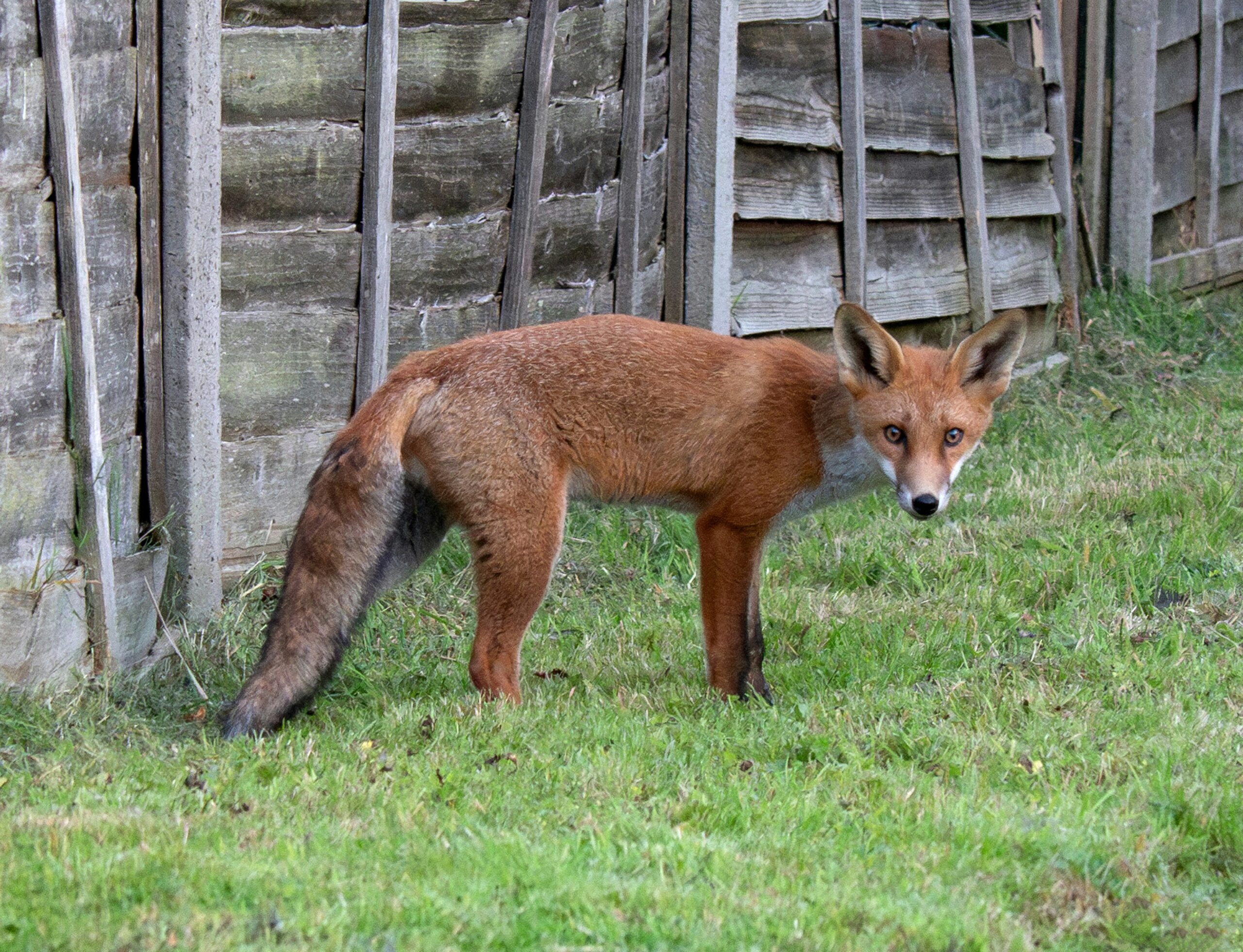
Urban foxes are now a common sight across many UK towns and cities. While some people enjoy seeing foxes pass through gardens at night, others become frustrated when foxes repeatedly visit the same areas, dig lawns, raid bins, or create noise around properties.
In many cases, foxes are not specifically targeting one garden over another. Instead, they are responding to basic survival needs such as food, shelter, water, and safe movement routes. Gardens can unintentionally provide all of these things, especially in quiet residential areas.
Understanding what attracts foxes can help homeowners reduce repeat visits in practical and humane ways without harming wildlife.
What Attracts Foxes to Gardens? (Quick Answer)
Foxes are commonly attracted to gardens that provide food, shelter, water, or safe places to travel and rest. Common attractants include accessible bins, pet food, compost, overgrown vegetation, ponds, and quiet sheltered spaces under sheds or decking.
Why Do Foxes Visit Gardens?
Foxes are highly adaptable animals that thrive in urban environments because towns and cities often provide reliable resources.
Residential gardens can offer:
- easy food access
- shelter
- hiding places
- movement corridors
- reduced disturbance at night
Most foxes are not trying to “invade” gardens. They are usually following regular routes through their territory while searching for safe and rewarding areas.
Our guide on how big is a fox territory in the UK explains how foxes move through urban areas and revisit familiar locations.
Food Sources That Attract Foxes
Food is one of the biggest reasons foxes repeatedly visit gardens.
Urban foxes are opportunistic feeders and quickly learn where reliable food sources are available.
Common attractants include:
- unsecured rubbish bags
- overflowing bins
- pet food left outdoors
- bird food on the ground
- compost containing food waste
- fallen fruit
- leftover barbecue food
Even occasional feeding can encourage foxes to return regularly.
Foxes have excellent memory for reliable food locations and may revisit successful feeding spots night after night.
Our article on what do foxes eat in urban areas explains how fox diets adapt to city environments.
Shelter and Safe Resting Places
Foxes are also attracted to gardens that provide shelter or concealment.
Common shelter opportunities include:
- dense shrubs
- overgrown gardens
- spaces beneath sheds
- gaps under decking
- compost heaps
- quiet corners with little disturbance
These areas may be used:
- temporarily for resting
- as movement cover
- or occasionally as denning sites during cub season
Urban foxes often prefer locations that offer quick escape routes and limited human activity.
Our guide on do foxes use the same den every year explains how foxes select and reuse sheltered den sites.
Why Foxes Prefer Quiet Gardens
Foxes are generally cautious animals and often prefer gardens that feel safe and predictable.
Gardens may become attractive if they:
- receive little nighttime disturbance
- have limited lighting
- provide quiet hiding spaces
- connect easily to neighbouring gardens or green areas
Foxes commonly travel through linked gardens because fences, hedges, and alleyways create sheltered movement routes across urban areas. Foxes can also overcome many common garden barriers when accessing attractive food or shelter resources. Our guide on can foxes climb fences explains how foxes navigate fences, walls, and other garden boundaries.
This is one reason foxes often appear repeatedly in the same areas.
Water Sources Can Attract Foxes
Like all animals, foxes need access to water.
Gardens with:
- ponds
- bird baths
- pet water bowls
- dripping taps
may attract foxes, especially during dry weather.
A fox drinking from a pond or bird bath is usually normal behaviour and does not necessarily mean the fox intends to remain nearby permanently.
Do Foxes Become Attached to Particular Gardens?
Not exactly, but foxes often develop familiar routines within their territory.
If a garden consistently provides:
- food
- shelter
- safety
foxes may continue revisiting it regularly.
This does not necessarily mean foxes “live” in the garden permanently. Many foxes travel through several gardens during nightly movement patterns.
Our guide on why do foxes keep coming back to my garden explains this behaviour in more detail.
Why Are Foxes More Common in Urban Areas Now?
Urban fox populations have increased partly because towns and cities provide concentrated resources.
Compared with rural areas, urban environments often contain:
- more accessible food
- warmer shelter
- fewer natural predators
- reliable water sources
Gardens also create connected habitat corridors that allow foxes to move safely through residential areas.
Our article on why foxes are moving into UK towns and cities explains why urban fox sightings have become more common.
Do Certain Smells Attract Foxes?
Foxes are strongly guided by scent.
Food smells are the biggest attractant, particularly:
- meat waste
- pet food
- compost containing scraps
- takeaway rubbish
Foxes also use scent to investigate:
- territory
- other animals
- potential food opportunities
Some people try to use strong smells to deter foxes, although results vary considerably.
Our guide on what smells do foxes hate explores common scent-based deterrents.
Can Feeding Foxes Encourage Repeat Visits?
Yes.
Regular feeding can encourage foxes to:
- revisit gardens more frequently
- lose caution around people
- rely on predictable food sources
While some people intentionally feed foxes, repeated feeding may increase:
- territorial competition
- noise
- digging
- garden activity
If foxes are becoming disruptive, reducing accessible food sources is usually one of the most effective humane prevention steps.
How to Make Gardens Less Attractive to Foxes
You cannot completely remove foxes from the wider environment, but you can reduce factors that encourage repeat visits.
Helpful steps include:
- securing bins
- removing outdoor food
- clearing fallen fruit
- reducing dense hiding areas
- blocking access beneath sheds or decking
- using sturdy fencing where appropriate
Consistency is important because foxes quickly learn whether a garden remains rewarding.
Our guide on fox-proofing your garden explains practical prevention methods in more detail.
Are Foxes Dangerous if They Visit Gardens?
In most cases, no.
Foxes are usually cautious around people and prefer avoiding direct interaction.
Most garden visits involve:
- searching for food
- travelling through territory
- investigating shelter opportunities
However, foxes may occasionally:
- dig lawns
- raid bins
- create noise during breeding season
Humane prevention methods are usually the most effective long-term solution.
Our article on are foxes dangerous to humans in the UK explains common concerns in more detail.
Common Questions
Why do foxes keep coming into my garden?
Foxes usually return because the garden provides food, shelter, water, or safe movement routes within their territory.
Does feeding birds attract foxes?
Bird feeding itself does not usually attract foxes, but food dropped onto the ground may encourage investigation.
Do foxes like overgrown gardens?
Yes. Dense vegetation and quiet sheltered areas can provide cover and resting opportunities.
Why are foxes suddenly visiting my garden?
Changes in food availability, nearby construction, seasonal behaviour, or cub-rearing activity can all increase fox sightings.
Will foxes leave if I remove food sources?
Reducing food and shelter opportunities often decreases repeat visits over time, although foxes may still occasionally pass through the area.
Key Takeaways
- Foxes are mainly attracted to gardens that provide food, shelter, water, or safe movement routes.
- Accessible bins, pet food, compost, and fallen fruit are common attractants.
- Dense vegetation and quiet sheltered spaces may encourage resting or denning behaviour.
- Urban foxes often revisit familiar gardens within their territory.
- Most fox garden visits are linked to normal survival behaviour rather than aggression.
- Humane prevention methods can help reduce repeat fox activity around properties.
Sources and Guidance
- The Mammal Society – UK overview of red fox ecology, habitat use, feeding behaviour, and urban adaptation.
- Wildlife Online – Detailed information about fox feeding behaviour, territorial movement, shelter use, and adaptation to urban environments.
- The Wildlife Trusts – Educational guidance about fox habitats, behaviour, and coexistence in the UK.
- Fox Project – Information about urban fox movement, feeding opportunities, and common causes of garden visits.
- RSPCA – Guidance on humane approaches to reducing fox activity around homes and gardens.
- Natural England – Background information about urban wildlife habitats and coexistence principles in the UK.
For more guidance on living alongside foxes, visit our fox guidance hub, where you can explore behaviour, prevention strategies, and UK wildlife law.
0 responses to “What Attracts Foxes to Gardens?”