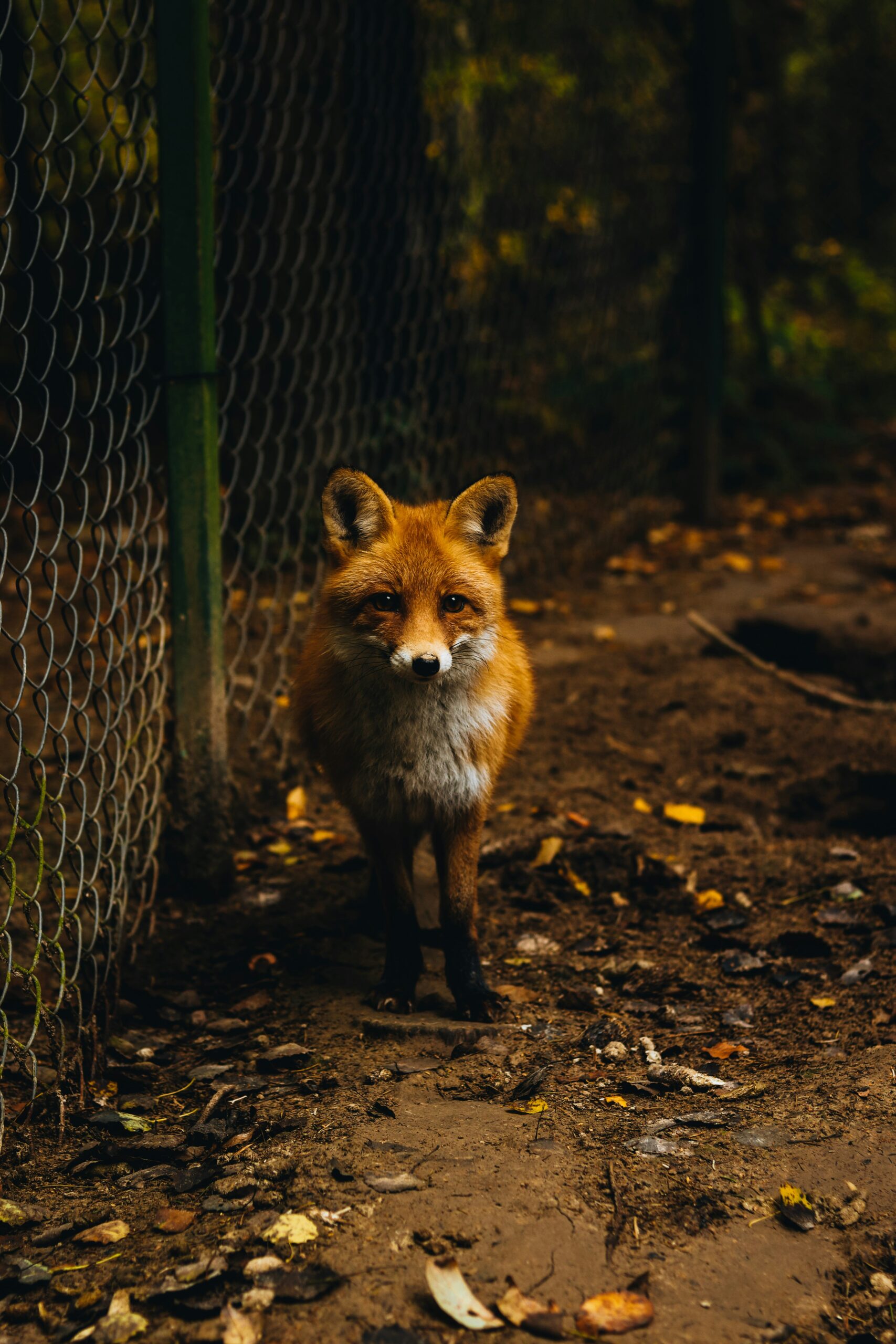
Foxes are highly adaptable animals that live across cities, suburbs, farmland, and countryside throughout the UK. One reason foxes are so successful is their ability to establish and defend territories that provide reliable access to food, shelter, and safe movement routes.
Many people wonder how far foxes travel, whether the same fox keeps returning to a garden, or why sightings happen repeatedly in the same area. Understanding fox territory behaviour can help explain why urban foxes often appear predictable and why certain gardens receive regular visits.
In most cases, repeated sightings involve foxes moving through a familiar territory rather than new foxes constantly arriving.
How Big Is a Fox Territory in the UK? (Quick Answer)
Fox territory sizes in the UK vary depending on food availability and population density. In urban areas, fox territories are often relatively small — sometimes covering only a few streets or neighbourhood gardens. In rural areas, territories are usually much larger because food and shelter are spread further apart.
What Is a Fox Territory?
A fox territory is the area a fox or family group regularly uses for:
- feeding
- resting
- raising cubs
- travelling
- scent marking
Foxes defend these territories from rival foxes, particularly during breeding season.
Territories are usually marked using:
- scent
- urine
- droppings
- vocalisations
This helps foxes communicate boundaries and reduce direct conflict with neighbouring foxes.
Unlike some animals, fox territories are not perfectly fixed or fenced areas. Boundaries can shift over time depending on:
- food availability
- fox population density
- breeding activity
- human disturbance
How Large Are Urban Fox Territories?
Urban fox territories are often surprisingly small.
In towns and cities, food sources are concentrated within relatively compact areas. Foxes may find everything they need within:
- residential gardens
- parks
- alleyways
- commercial waste areas
Because resources are easier to access, urban foxes usually travel shorter distances than rural foxes.
Research suggests some urban territories may cover:
- only a few streets
- several hectares
- part of a housing estate or neighbourhood
This is why the same fox may repeatedly appear in:
- the same garden
- the same road
- nearby green spaces
Foxes often follow regular routes through their territory each night. However, they do not necessarily visit every part of it on every outing. How far do foxes travel in one night? explains how nightly movements vary depending on food availability, the season, and territory size.
If foxes repeatedly return to your property, our guide on why do foxes keep coming back to my garden explains the most common reasons.
How Large Are Rural Fox Territories?
Rural fox territories are generally much larger.
In countryside areas:
- food is more spread out
- shelter may be less concentrated
- fox populations are often lower
As a result, foxes may travel significantly further each night while hunting or moving between resting areas.
A rural territory can include:
- farmland
- woodland
- hedgerows
- open countryside
Territory size varies considerably depending on habitat quality and food availability.
During harsh weather or periods of food scarcity, foxes may also expand their range temporarily.
Fox territories may also contain several resting or denning sites that foxes return to over time. Our guide on do foxes use the same den every year explains how foxes use and reuse dens within their territory.
Do Foxes Stay in the Same Territory Their Whole Lives?
Sometimes, but not always.
Adult foxes often remain within established territories for long periods if:
- food remains available
- breeding opportunities exist
- there is limited competition
However, young foxes frequently leave their birth territory once mature. This process is called dispersal.
Dispersing foxes may travel considerable distances while searching for:
- unoccupied territory
- mates
- safer habitat
This movement is one reason foxes occasionally appear in unfamiliar gardens or urban areas.
Why Do Foxes Keep Returning to the Same Garden?
Foxes are creatures of habit and often revisit locations that provide:
- reliable food
- shelter
- safe movement routes
- quiet resting areas
A garden can become part of a fox’s regular territory even if the fox never fully settles there.
Common attractants include:
- accessible bins
- pet food
- compost
- dense vegetation
- ponds or water sources
Once a fox learns a route is safe and rewarding, it may continue returning repeatedly. Many foxes also develop familiar travel routes within their territory, regularly revisiting the same gardens, pathways, and feeding areas. Why do foxes follow the same route every night? explores how these established movement patterns develop.
Our guide on fox-proofing your garden explains practical ways to make gardens less attractive to foxes without harming wildlife.
Do Fox Territories Overlap?
Fox territories are usually defended, but some overlap can occur around boundaries.
Neighbouring foxes often avoid serious conflict by:
- scent marking
- vocal communication
- using territories at different times
During mating season, territorial behaviour may become more noticeable because foxes are competing for breeding access and resources.
This is one reason people sometimes hear increased fox activity or screaming during winter nights.
Our article on why do foxes scream at night explains this behaviour in more detail.
How Far Do Foxes Travel at Night?
Foxes may travel several miles during a single night, particularly in rural areas.
Urban foxes often travel shorter distances because:
- food is nearby
- shelter is plentiful
- territories are smaller
Many urban foxes follow surprisingly consistent routes between:
- feeding areas
- resting spots
- gardens
- safe crossing points
This routine behaviour explains why sightings often happen at similar times each evening.
Our guide on what time do foxes come out at night explores fox activity patterns in more detail.
Where Do Foxes Rest During the Day?
Foxes usually spend the daytime resting in quiet, sheltered locations within their territory.
Common resting places include:
- dense vegetation
- under sheds or decking
- overgrown gardens
- woodland cover
- underground dens
Foxes do not necessarily sleep in the same place every day and may use multiple resting spots throughout their territory.
Urban foxes often select areas with minimal disturbance and reliable escape routes.
Our article on where do foxes go during the day in the UK explains this behaviour further.
Can Fox Territory Size Change?
Yes.
Fox territories are flexible and may change because of:
- food availability
- construction or habitat loss
- seasonal changes
- population pressure
- breeding activity
Urban development can sometimes push foxes into new areas, while abundant food sources may allow territories to shrink.
This adaptability is one reason foxes thrive in many UK towns and cities.
How to Reduce Fox Activity Around Your Property
You cannot completely remove foxes from a wider territory, but you can make individual gardens less attractive.
Helpful steps include:
- securing bins
- removing food sources
- limiting shelter opportunities
- blocking access under sheds or decking
- clearing fallen fruit
Consistency is important because foxes quickly learn whether an area remains accessible or rewarding.
If fox activity is becoming disruptive, our guide on how to deter foxes legally in the UK explains safe and humane prevention methods.
Common Questions
Do foxes have territories in cities?
Yes. Urban foxes maintain territories just like rural foxes, although city territories are usually smaller because food and shelter are more concentrated.
How many foxes live in one territory?
A territory may contain:
- a breeding pair
- cubs
- several related foxes
Group size varies depending on habitat and food availability.
Do foxes use the same routes every night?
Often, yes. Foxes commonly follow familiar movement routes through their territory, particularly in urban areas.
Why do I keep seeing the same fox?
Repeated sightings usually involve a fox whose territory includes your garden or surrounding streets.
Can foxes move to a new territory?
Yes. Young foxes often disperse to find new territory, while adults may relocate if food or shelter conditions change.
Key Takeaways
- Fox territory size in the UK varies depending on habitat and food availability.
- Urban fox territories are usually smaller because resources are concentrated.
- Rural foxes often travel further and occupy larger territories.
- Foxes regularly revisit safe and reliable feeding areas within their territory.
- Repeated garden visits usually involve foxes following familiar routes rather than random movement.
- Humane prevention methods can help reduce unwanted fox activity without harming wildlife.
Sources and Guidance
- The Mammal Society – UK information about red fox behaviour, habitat use, movement patterns, and ecology.
- Wildlife Online – Detailed explanation of fox territorial behaviour, scent marking, movement, and urban adaptation.
- The Wildlife Trusts – Educational overview of fox behaviour, habitat, feeding, and territory use in the UK.
- Fox Project – Information about urban fox movement, behaviour, and coexistence in towns and cities.
- RSPCA – Guidance on urban fox behaviour, garden visits, and humane conflict reduction.
- Natural England – Background information on UK wildlife ecology, habitat pressures, and coexistence principles.
For more guidance on living alongside foxes, visit our fox guidance hub, where you can explore behaviour, prevention strategies, and UK wildlife law.
0 responses to “How Big Is a Fox Territory in the UK?”