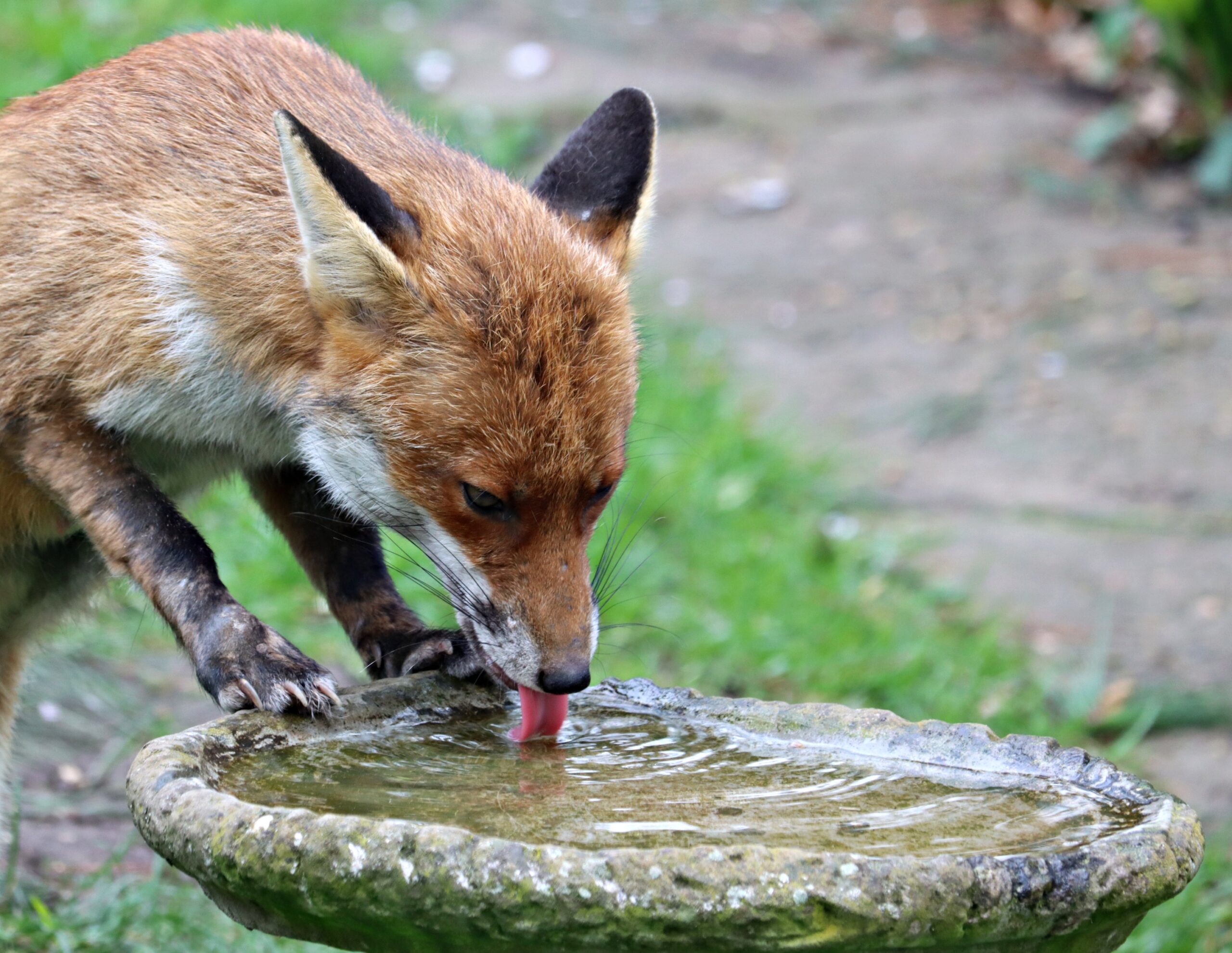
Many people become frustrated when foxes repeatedly visit their garden. Digging up lawns, tearing into bins, and leaving mess behind can quickly turn a curiosity into a problem.
It’s natural to want a clear solution.
However, “getting rid of foxes” does not usually mean removing them completely. In urban areas, foxes are part of a wider territory. If one fox leaves, another will often move into the same space.
In most cases, the goal is to stop foxes returning regularly, rather than eliminate them entirely.
In the UK, this is best achieved through practical, humane methods that reduce the reasons foxes visit in the first place.
How to Get Rid of Foxes in the Garden (Quick Answer)
In most cases, you can get rid of foxes from your garden by removing food sources, blocking access to shelter, and making the environment less predictable. Foxes tend to leave areas that no longer provide easy food or safe resting spots.
Why Foxes Keep Coming Back
Foxes do not return randomly.
They revisit gardens because something consistently attracts them. This is usually food, shelter, or a quiet place to rest.
Common attractants include:
- accessible household waste
- pet food left outdoors
- compost containing food scraps
- fallen fruit or bird seed
- gaps under sheds or decking
If these factors remain unchanged, fox visits often continue.
You can explore this in more detail in our guide to why foxes keep coming back to your garden, which explains how foxes build routines around reliable resources.
Step 1: Remove Food Sources
Food is the strongest driver of repeated fox visits.
If a garden provides easy access to calories, foxes will return regularly.
To reduce this:
- use secure bin lids or straps
- avoid leaving rubbish bags exposed
- remove leftover pet food immediately
- clean up after barbecues
- cover compost bins and avoid adding meat or dairy
Even small amounts of food can reinforce behaviour.
Once food becomes unreliable, foxes usually begin to move elsewhere.
Step 2: Block Access to Shelter
Foxes look for safe places to rest or raise cubs.
Common locations include:
- under sheds
- beneath decking
- inside dense shrubs
- quiet, undisturbed corners
To prevent this:
- install mesh or boards to block access points
- check for gaps around structures
- reduce dense, unused hiding areas
If you suspect a fox is already using a space, avoid blocking access immediately. Wait until you are certain it is no longer active.
Our guide to preventing fox problems in UK gardens explains how to manage shelter safely and effectively.
Step 3: Reduce Digging Opportunities
Foxes often dig while searching for food or burying items.
This is especially common in:
- soft lawns
- flowerbeds
- freshly turned soil
You can reduce digging by:
- removing food attractants first
- covering soil with bark or gravel
- using low barriers around vulnerable areas
If digging is a major issue, you may also find our article on why foxes dig holes in gardens helpful for understanding the behaviour.
Step 4: Make Your Garden Less Comfortable
Foxes prefer quiet, predictable environments.
Small changes can make a garden less appealing:
- use motion-activated lights
- introduce occasional noise or disturbance
- avoid leaving areas completely undisturbed for long periods
Foxes are cautious animals. If a space feels unpredictable, they are more likely to move on.
Step 5: Manage Access Points
Foxes can climb and dig, but they tend to use the easiest routes available.
To reduce access:
- repair damaged fencing
- block gaps beneath fences
- remove objects that act as stepping points
- consider fence extensions or overhangs
Complete exclusion is difficult, but limiting easy entry points can reduce repeated visits.
Why “Getting Rid” Is Not Instant
It’s important to set realistic expectations.
Foxes:
- have established territories
- follow regular movement routes
- learn from consistent food sources
Even after changes are made, it may take time for behaviour to adjust.
In most cases:
- activity reduces gradually
- visits become less frequent
- foxes eventually move elsewhere
Consistency is key.
What Not to Do
Some commonly suggested methods are ineffective or illegal in the UK.
Avoid:
- using poison
- setting illegal traps or snares
- attempting to relocate foxes
- blocking active dens containing cubs
These approaches can cause unnecessary suffering and may breach wildlife law.
If you are unsure about legal boundaries, our guide to how to deter foxes legally in the UK explains what is allowed and what is not.
When to Consider Further Action
In most situations, environmental changes are enough.
However, additional support may be needed if:
- there is persistent structural damage
- a fox is injured or visibly unwell
- there are concerns about public health
In these cases, contacting a wildlife organisation or qualified professional may be appropriate.
Key Takeaways
Getting rid of foxes from your garden usually means removing the reasons they visit.
Food, shelter, and easy access are the main attractants.
Once these are reduced, foxes typically move on over time.
Most problems can be managed through simple, humane changes to the environment.
Sources and Guidance
This article draws on established wildlife research and UK guidance, including:
- The Mammal Society – Provides detailed research on red fox ecology, behaviour, and how foxes adapt to urban environments.
- RSPCA – Offers practical advice on humane deterrence and reducing conflict with urban wildlife.
- Department for Environment, Food & Rural Affairs (DEFRA) – Publishes guidance on wildlife management and pest control responsibilities.
- Natural England – Provides ecological guidance on habitat use and wildlife behaviour.
- Philip J. Baker & Stephen Harris – Their research underpins much of what is known about urban fox territories and behaviour.
For more guidance on living alongside foxes, visit our fox guidance hub, where you can explore behaviour, prevention strategies, and UK wildlife law.
0 responses to “How to Get Rid of Foxes in the Garden (UK)”