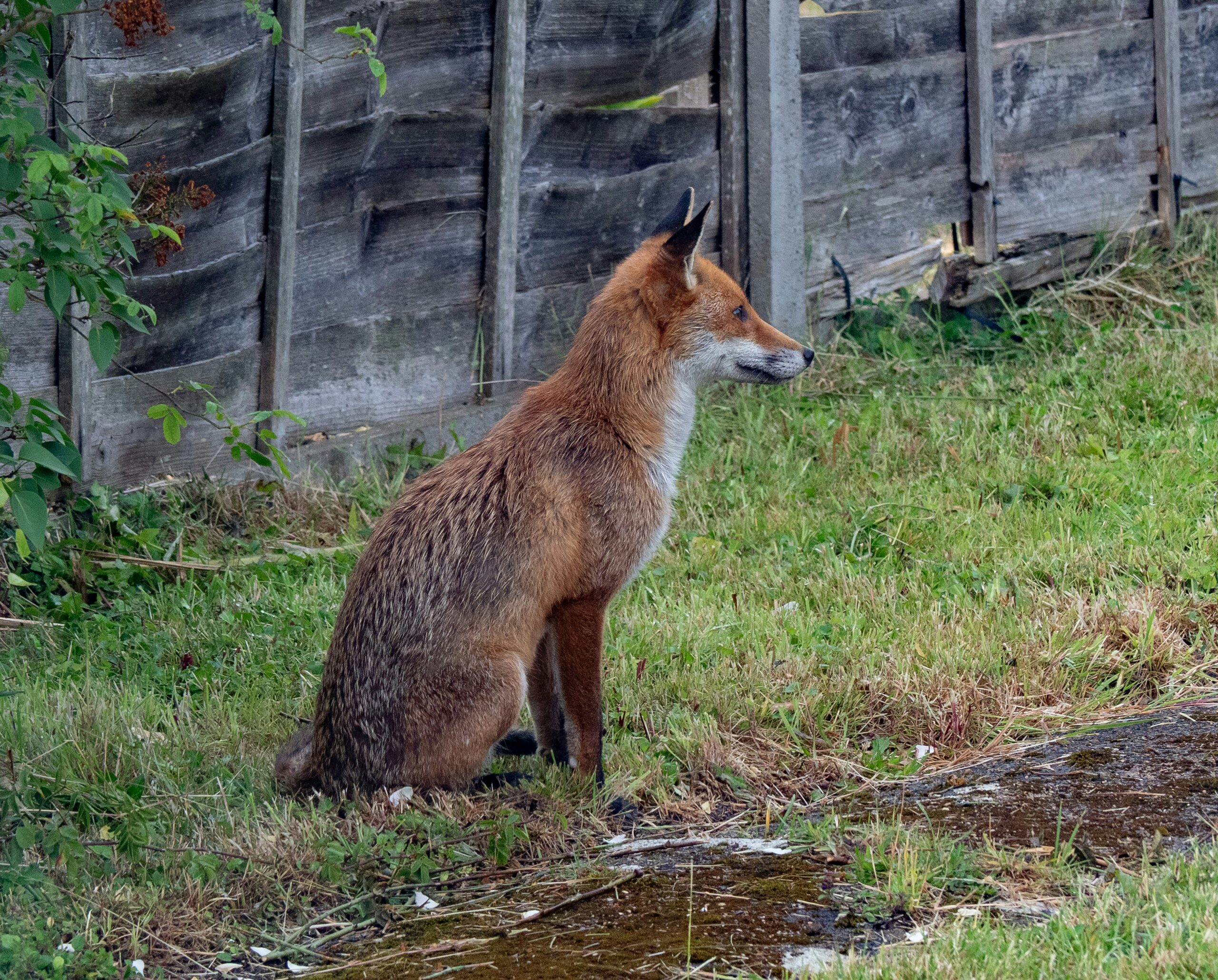
People who regularly see foxes in their garden often notice something surprising. A fox may return to the same area repeatedly, follow familiar routes, revisit old den sites, or appear to know exactly where food and shelter can be found.
This naturally raises the question: do foxes actually remember places, or are these repeated visits simply coincidence?
Like many intelligent mammals, foxes possess strong spatial memory that helps them navigate their environment, locate resources, and move efficiently through their territory.
Understanding how foxes remember places can help explain many common behaviours seen in towns, cities, and residential gardens across the UK.
Do Foxes Remember Places? (Quick Answer)
Yes, foxes remember places. They use memory alongside scent, experience, and environmental landmarks to navigate their territory. This allows them to revisit feeding areas, resting sites, den locations, and familiar travel routes over long periods of time.
Do Foxes Have Good Memories?
Foxes have well-developed memories that help them survive in complex and changing environments.
To find food, avoid danger, and navigate large territories, foxes must remember:
- where food has previously been found
- safe routes through their territory
- resting locations
- den sites
- territorial boundaries
- areas of human activity
Without this ability, moving efficiently through urban and rural environments would be much more difficult.
Although foxes do not think about places in the same way humans do, they clearly demonstrate the ability to recognise and revisit important locations.
Fox memory extends beyond locations and travel routes. Do foxes recognise people? examines how repeated encounters can help foxes become familiar with individual humans.
How Do Foxes Remember Places?
Foxes rely on a combination of memory, scent, and environmental awareness.
Visual Landmarks
Foxes learn to recognise features within their territory.
These may include:
- fences
- hedgerows
- buildings
- garden boundaries
- pathways
- woodland edges
These landmarks help foxes orient themselves as they move between different parts of their range.
Scent Recognition
Scent plays a major role in fox navigation.
Foxes regularly encounter:
- their own scent markings
- scent left by family members
- scent from neighbouring foxes
These odours help reinforce territorial boundaries and familiar routes.
Repeated Experience
Like many animals, foxes learn through repetition.
The more often a fox uses a route or visits a location, the more familiar it becomes.
Successful experiences are often repeated because they reduce risk and improve efficiency.
Why Do Foxes Keep Returning to the Same Garden?
Repeated visits are often one of the clearest signs that foxes remember places.
If a garden consistently provides:
- food
- shelter
- water
- safe travel routes
a fox is likely to remember that location and revisit it in the future.
This does not necessarily mean the fox is dependent on the garden. It may simply form part of a larger territory that contains multiple useful resources.
Why do foxes keep coming back to my garden? explores the most common reasons foxes repeatedly visit residential areas.
Do Foxes Remember Travel Routes?
Yes.
Foxes frequently follow established pathways through their territory.
These routes help them move efficiently between important locations while reducing exposure to danger.
Common routes may follow:
- fences
- hedgerows
- garden boundaries
- alleyways
- railway embankments
- green corridors
Over time, these pathways become familiar and predictable.
Why do foxes follow the same route every night? explains how these regular movement patterns develop within a fox’s territory.
Can Foxes Remember Den Sites?
Foxes can remember locations that have previously provided safe shelter.
This is one reason some foxes revisit former den sites, particularly if conditions remain suitable.
A location that successfully protected cubs or provided security may continue to be attractive in future years.
However, foxes do not always return to the same den.
Changes in disturbance, habitat, access, or competition may encourage them to choose alternative sites.
Do foxes use the same den every year? explains why some den sites are reused while others are abandoned.
Do Foxes Remember Food Sources?
Food is one of the strongest drivers of repeated fox behaviour.
Foxes quickly learn where reliable food can be found.
Examples include:
- unsecured bins
- compost containing food waste
- fallen fruit
- feeding stations
- regularly available pet food
Once a fox discovers a dependable food source, it may continue checking that location even if food is not available every time.
This behaviour often creates the impression that a fox is deliberately targeting a particular property.
In reality, the fox is simply revisiting a location that has been rewarding in the past.
Do Foxes Teach Cubs About Places?
Young foxes learn a great deal during their early development.
As cubs begin exploring beyond the den, they gradually become familiar with:
- local feeding areas
- safe resting locations
- territorial boundaries
- travel routes
Some of this knowledge is gained through direct experience, while some is learned through interactions with adult foxes.
This process helps young foxes develop an understanding of the environment they occupy.
Do Urban Foxes Have Better Spatial Memory?
Urban foxes face unique challenges.
Cities contain:
- roads
- buildings
- fences
- gardens
- human activity
- rapidly changing environments
To navigate successfully, urban foxes must learn complex networks of routes and resources.
As a result, memory and environmental awareness are particularly important for foxes living in towns and cities.
Many of the behaviours people observe in residential areas are a result of foxes remembering safe locations and repeating successful routines.
Does Remembering Places Mean Foxes Become Attached?
Not necessarily.
People sometimes assume that a fox returning to a garden has developed an emotional attachment to that location.
In most cases, repeated visits are better explained by:
- familiarity
- safety
- food availability
- efficient travel routes
Foxes are practical animals.
They revisit places because those places continue to serve a useful purpose.
If conditions change, foxes can quickly adapt and alter their behaviour.
Are Repeated Visits a Cause for Concern?
Usually not.
A fox remembering a garden, route, or resting area is generally a normal part of its behaviour.
Most repeated visits simply reflect how foxes navigate and use their territory.
However, if a garden provides food or shelter, visits may become more frequent.
Reducing attractants is often more effective than trying to discourage the fox directly.
Understanding why a fox remembers and revisits certain locations can help homeowners respond calmly and appropriately.
Common Questions
Can foxes remember where food is?
Yes. Foxes are capable of remembering locations where food has previously been found and may revisit those areas repeatedly.
Do foxes remember gardens?
Yes. Gardens that provide food, shelter, water, or safe routes may become familiar parts of a fox’s territory.
Do foxes recognise old den sites?
Foxes can remember former den locations and may revisit them if conditions remain suitable.
Can foxes get lost?
Foxes have strong spatial awareness and are generally effective at navigating within their territory, although young dispersing foxes may travel through unfamiliar areas.
Why does the same fox keep appearing?
The fox may be following familiar routes, checking food sources, or revisiting locations that have previously been useful.
Do foxes remember people?
Foxes can learn to recognise individual humans based on repeated encounters, although their behaviour is primarily influenced by safety and experience rather than personal relationships.
Key Takeaways
- Foxes possess strong spatial memory and can remember important locations.
- Memory helps foxes locate food, shelter, den sites, and travel routes.
- Gardens that provide useful resources may become familiar parts of a fox’s territory.
- Foxes often revisit locations that have previously been safe or rewarding.
- Travel routes, den sites, and feeding areas can be remembered over long periods.
- Repeated visits usually reflect normal behaviour rather than attachment to a specific place.
- Understanding fox memory helps explain many common urban fox behaviours.
Sources and Further Guidance
- The Mammal Society – Overview of red fox ecology, territorial behaviour, habitat use, and adaptation to urban environments.
- The Wildlife Trusts – Species information covering fox behaviour, feeding habits, movement, and habitat use.
- RSPCA – Guidance on understanding urban fox behaviour and reducing conflict with wildlife.
- MammalWeb – Information on fox behaviour, ecology, territoriality, and movement patterns.
- Wildlife Online – Detailed information about fox ecology, behaviour, territory use, and movement.
- Natural England – General guidance on responsible coexistence with British wildlife.
For more guidance on living alongside foxes, visit our fox guidance hub, where you can explore behaviour, prevention strategies, and UK wildlife law.
0 responses to “Do Foxes Remember Places?”