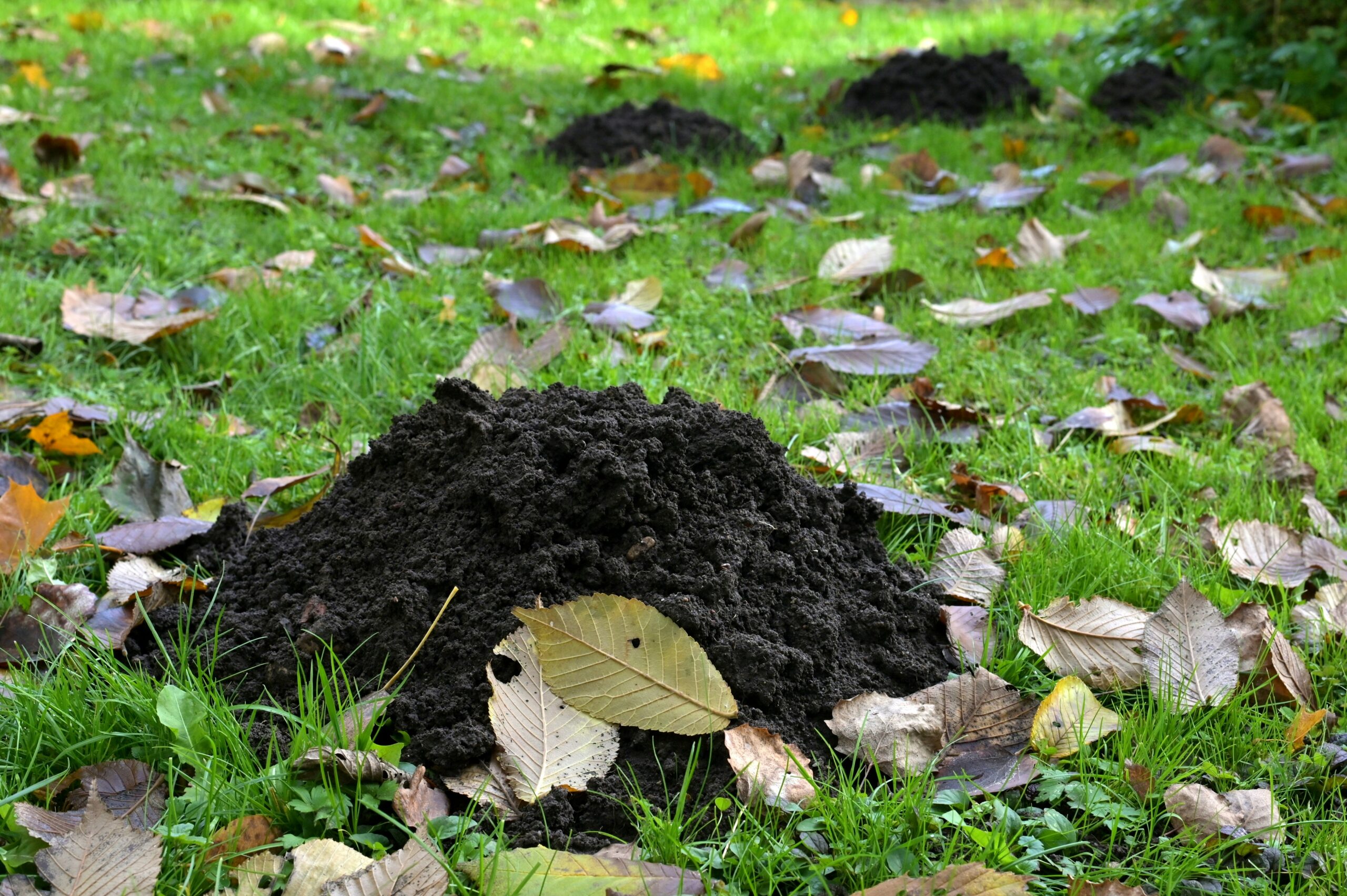
Foxes digging up lawns is one of the most common problems reported by homeowners across the UK. Fresh holes can appear overnight, leaving grass damaged and gardens looking untidy.
While this behaviour can be frustrating, it is rarely random or destructive by intent. Foxes dig for specific reasons, most commonly in search of food or to bury and retrieve items.
Understanding why foxes dig is the key to stopping the behaviour effectively.
In most cases, foxes dig up lawns because they are searching for insects such as grubs or worms beneath the surface. Removing these attractants and making the ground less appealing usually stops the behaviour over time.
This guide explains practical, humane steps you can take to stop foxes digging up your lawn, along with what works, what doesn’t, and how to prevent the problem from returning.
This article forms part of our wider fox guidance hub, where we provide evidence-based guidance on fox behaviour, prevention, and responsible coexistence in the UK.
How to Stop Foxes Digging Up Your Lawn (Quick Answer)
To stop foxes digging up your lawn, remove food sources such as grubs or worms, reduce attractants like compost and pet food, and make the soil less easy to dig. Consistent changes to your garden environment are usually the most effective long-term solution.
Why Foxes Dig Up Lawns
Foxes are opportunistic feeders. Their diet is highly varied and includes small invertebrates, fruit, carrion, and human-related food waste.
Lawns are particularly attractive because they often contain:
- soil-dwelling larvae (such as leatherjackets or chafer grubs)
- earthworms in moist ground
- soft, aerated soil that is easy to dig
- scents from other animals or previous activity
In many cases, foxes are not targeting the grass itself — they are targeting what is underneath it.
This is why damage often appears in small clusters rather than across the entire lawn.
Season also plays a role. Digging is often more noticeable in:
- spring and early summer, when insect larvae are active
- autumn, when soil is softer and wetter
- after rainfall, when worms move closer to the surface
Understanding this seasonal pattern helps explain why the problem can appear suddenly.
For broader behavioural context, see why do foxes dig holes in gardens.
How to Stop Foxes Digging (Step-by-Step)
The most effective approach is to combine several small changes rather than relying on a single deterrent.
Step 1. Identify and Remove Lawn Food Sources
This is the most important step in stopping repeated digging.
If foxes are successfully finding food, no deterrent will work for long.
Common underground food sources:
- chafer grubs
- leatherjackets (cranefly larvae)
- earthworms in moist soil
These are natural parts of UK lawns, but can become concentrated in certain conditions.
What you can do:
- apply biological lawn treatments for insect larvae if needed
- avoid overwatering shaded areas (which attract worms)
- improve drainage in persistently damp sections
Once the food source reduces, fox interest in the lawn usually declines.
Step 2: Change Soil Conditions
Foxes prefer soil that is:
- soft
- loose
- recently disturbed
- easy to penetrate quickly
Lawns that are patchy or recently reseeded are particularly vulnerable.
Practical improvements:
- lightly compact areas that are frequently dug
- avoid leaving bare soil exposed for long periods
- reseed and reinforce damaged patches quickly
- use mulch or gravel in persistent hotspots
Even small changes in soil structure can significantly reduce digging behaviour.
Step 3: Remove Wider Attractants Around the Garden
Foxes rarely behave in isolation. If they are visiting your garden regularly, there is usually a broader reason.
Check for:
- unsecured bins or food waste
- compost heaps containing kitchen scraps
- fallen fruit from trees
- pet food left outdoors
- bird feeders spilling seed onto the ground
If multiple food sources are present, foxes will continue returning regardless of lawn condition.
This is closely linked to why foxes keep coming back to my garden.
Step 4: Understand the Limits of Deterrents
Deterrents are often overestimated.
They can interrupt behaviour temporarily, but foxes are highly adaptable and quickly learn patterns.
Common deterrents include:
- motion-activated lights
- ultrasonic devices
- human scent or activity
- occasional noise disruption
The reality:
Deterrents only work when:
- the fox is uncertain
- AND there is no strong food incentive
If food is still present, deterrents alone will fail.
This is why professional guidance (including from organisations like the RSPCA) always prioritises habitat and attractant removal first.
Step 5: Physically Protect High-Risk Areas
If certain parts of your lawn are repeatedly targeted, physical barriers can help during recovery.
Options:
- chicken wire laid just beneath turf
- mesh protection over reseeded areas
- temporary fencing around damaged sections
This is especially useful during regeneration periods when soil is soft and vulnerable.
Step 6: Manage Behaviour Over Time (Not Overnight)
Fox behaviour is learned and reinforced through repeated success.
If digging consistently leads to food or easy foraging, it will continue.
However, once conditions change:
- food access decreases
- soil becomes less attractive
- disturbance increases
Foxes typically shift to more productive areas within their territory.
This process can take days to weeks, not hours.
Seasonal Behaviour and Why Timing Matters
Fox digging often follows seasonal cycles:
Spring
- increased insect activity
- cub-rearing increases food demand
Summer
- more dispersed foraging
- young foxes exploring territory
Autumn
- soil becomes softer
- increased earthworm activity
Winter
- digging may reduce slightly, but still occurs in mild weather
Understanding seasonality helps prevent misinterpreting normal wildlife cycles as persistent problems.
Why Foxes Often Dig at Night
Foxes are most active after dark, which is why damage often appears overnight.
At night:
- there is less human disturbance
- noise levels are lower
- foxes can move more freely
This can make the behaviour feel sudden or unexplained.
If you are hearing fox activity at night as well, you may find it helpful to read why do foxes scream at night, which explains their nocturnal behaviour.
Why the Same Spots Get Dug Repeatedly
One of the most frustrating aspects of this problem is repeated digging in the same area.
This usually happens because:
- a food source is still present
- the soil is particularly easy to dig
- scents remain in the area
Foxes rely heavily on smell, so even after digging once, they may return to investigate the same spot again.
Why Foxes Return to the Same Garden
Foxes are territorial animals. They do not randomly move through areas — they patrol and reuse known routes.
If a garden has previously provided:
- food
- safe passage
- easy digging
It becomes part of their learned route.
Removing these rewards is the only reliable way to break the cycle.
Why Quick Fixes Often Don’t Work
Many people try quick deterrents and see little improvement.
This is usually because:
- the food source is still present
- deterrents are used inconsistently
- foxes have already learned the garden is safe
Long-term success comes from removing the reason the fox is digging, not just reacting to the behaviour.
When Digging Is NOT a Problem
In many cases, fox digging is:
- shallow
- temporary
- naturally self-resolving
It does not usually indicate aggression or disease.
Most lawns recover quickly once the behaviour stops.
When Digging Might Indicate a Larger Issue
In most cases, digging is simply part of normal foraging behaviour.
However, repeated digging in sheltered areas could indicate:
- investigation of a den site
- strong food presence
- a particularly attractive scent
If digging is concentrated in one location, it is worth checking for underlying causes.
Key Takeaways
- Foxes dig lawns mainly in search of food such as insects or worms.
- Removing the underlying cause is the most effective solution.
- Soft soil and garden attractants increase the likelihood of digging.
- Deterrents can help, but only when combined with other measures.
- Consistent changes usually reduce digging over time.
Common Questions About Foxes Digging Lawns
Why does a fox keep digging in the same spot?
This usually means there is a food source or scent attracting repeated attention.
Do fox deterrents stop digging completely?
They can help, but they are rarely effective without removing the underlying cause.
Do ultrasonic deterrents stop digging?
They may reduce activity temporarily but are not reliable alone.
Will digging stop on its own?
Only if the food source disappears or the garden becomes less appealing.
Is digging a sign that a fox is living in my garden?
Not usually. Most digging is part of normal foraging behaviour rather than denning.
Do foxes dig more in certain seasons?
Yes, especially in spring and autumn when soil organisms are more active.
Do foxes ruin lawns permanently?
No. Damage is usually surface-level and can recover once the behaviour stops.
How long does it take to stop foxes digging?
This varies, but most gardens see improvement within a few weeks once the cause is removed.
Sources and Guidance
This article draws on established UK wildlife research and guidance, including:
- The Mammal Society – Research on fox diet, feeding behaviour, and foraging patterns.
- The Wildlife Trusts – Guidance on fox ecology and urban behaviour.
- RSPCA – Advice on humane deterrence and managing fox activity.
- DEFRA – Wildlife management and coexistence guidance.
- Wildlife Online – Detailed explanation of fox feeding and digging behaviour.
- Philip J. Baker & Stephen Harris – Academic research on urban fox behaviour.
For more guidance on living alongside foxes, visit our fox guidance hub, where you can explore behaviour, prevention strategies, and UK wildlife law.
0 responses to “How to Stop Foxes Digging Up Your Lawn (UK)”