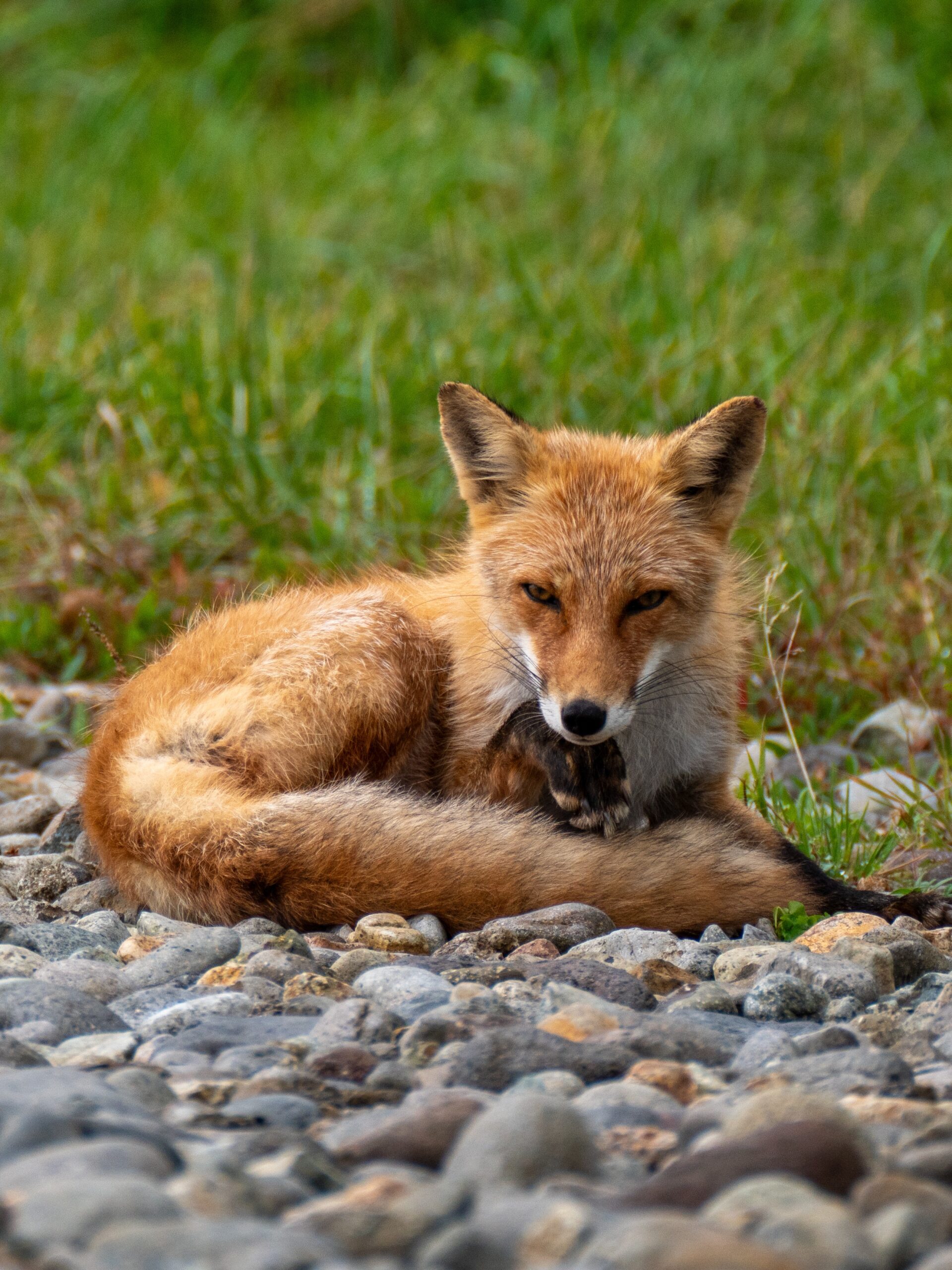
Foxes are highly adaptable animals, and their diet is one of the main reasons they thrive in towns and cities across the UK. Many people assume foxes rely on hunting, but in urban environments their feeding habits are far more varied.
Understanding what foxes eat helps explain why they visit gardens, return to certain areas, and sometimes become a nuisance.
This article explains what urban foxes typically eat, how their diet changes in towns, and what this means for homeowners.
This guide forms part of our wider fox guidance hub, where we explain fox behaviour, prevention strategies, and responsible ways to live alongside wildlife in the UK.
What Do Foxes Eat in Urban Areas? (Quick Answer)
Urban foxes are opportunistic omnivores. They eat a wide range of foods including small mammals, insects, fruit, and human food waste. In towns and cities, foxes often rely heavily on easily available food such as leftovers, bins, and compost.
Natural Diet of Foxes
In the wild, foxes mainly eat:
- small mammals (such as rodents)
- birds and eggs
- insects and earthworms
- fruit and berries
They are skilled hunters but do not depend on hunting alone. Foxes will eat whatever is most easily available.
This flexible diet is what allows them to adapt so successfully to urban environments.
What Foxes Eat in Towns and Cities
In urban areas, fox diets shift significantly.
Common food sources include:
- household waste and bin contents
- leftover takeaway food
- compost (especially if it contains food scraps)
- pet food left outdoors
- bird feeders and fallen seed
- small urban wildlife such as rats and pigeons
Because these food sources are often predictable, foxes can rely less on hunting and more on scavenging.
This is one of the main reasons foxes are drawn into residential areas.
If you’ve noticed repeat visits, our guide to why foxes keep coming back to your garden explains how food availability shapes their behaviour.
Why Food Availability Changes Fox Behaviour
Food is the strongest driver of fox activity.
When a fox finds a reliable food source, it will often:
- return regularly
- adjust its route to include the area
- spend more time nearby
Over time, this can make it seem like fox numbers are increasing, when in reality a small number of foxes are simply visiting more frequently.
Urban fox territories are built around reliable resources. Gardens that consistently provide food can become part of a fox’s routine.
Do Foxes Hunt Pets?
This is a common concern.
Foxes may prey on:
- rabbits
- guinea pigs
- chickens
if they are left unsecured outdoors.
However, foxes are generally cautious and avoid confrontation with larger animals.
Cats and medium-sized dogs are not typical prey.
If you’re concerned about this, our guide to are foxes dangerous to pets in the UK explains the risks and how to reduce them.
Seasonal Changes in Diet
Fox diet can vary throughout the year.
Spring and Summer
- more insects and natural prey
- increased feeding to support cubs
Autumn
- fruit and berries become more important
- food is stored (cached) for later
Winter
- greater reliance on scavenging
- more visits to urban areas for reliable food
These seasonal shifts can affect how often foxes appear in gardens.
Why Foxes Dig in Gardens for Food
Foxes sometimes dig while searching for:
- insects
- worms
- buried food
This behaviour is not usually destructive by intention — it is part of their natural feeding habits.
However, in gardens it can become a nuisance.
You can learn more in our guide to why foxes dig holes in gardens, which explains the behaviour and how to reduce it.
What This Means for Homeowners
Understanding fox diet helps explain how to reduce unwanted visits.
If food is easily available, foxes are more likely to return.
Simple steps can make a big difference:
- secure bins and food waste
- avoid leaving pet food outdoors
- use enclosed compost bins
- clean up fallen fruit and bird seed
These changes reduce the reward for visiting your garden.
Our guide to fox-proofing your garden in the UK explains how to make your outdoor space less attractive to foxes overall.
Are Foxes Dependent on Human Food?
Urban foxes are not fully dependent on human food, but they do take advantage of it.
They still hunt and forage naturally, but easy food sources in towns allow them to:
- conserve energy
- support higher population densities
- adapt to smaller territories
This is why urban foxes are often more visible than rural ones.
Key Takeaways
Foxes are omnivores with a highly flexible diet.
In urban areas, they eat a mix of natural prey and human-related food sources.
Accessible food is the main reason foxes visit and return to gardens.
Reducing food availability is one of the most effective ways to discourage repeat visits.
Common Questions About Fox Diet
Do foxes eat from bins?
Yes, foxes often search bins for food waste, especially in urban areas where leftovers are easily accessible.
Do foxes hunt every day?
Not always. Urban foxes often rely on scavenging as much as hunting.
Will feeding foxes make them come back?
Yes. Regular feeding encourages repeat visits and can make foxes dependent on human food sources.
Do foxes eat cats?
This is very rare. Foxes do not typically view cats as prey.
Sources and Guidance
This article draws on established wildlife research and UK guidance, including:
- The Mammal Society – Provides detailed information on red fox diet, feeding behaviour, and ecological adaptability.
- The Wildlife Trusts – Offers accessible guidance on fox diet and how foxes interact with urban environments.
- RSPCA – Provides advice on urban fox behaviour, feeding habits, and responsible human interaction.
- British Trust for Ornithology – Supports understanding of garden ecosystems and how predators interact with urban wildlife.
- Philip J. Baker & Stephen Harris – Their research underpins much of what is known about urban fox feeding behaviour and territory use.
For more guidance on living alongside foxes, visit our fox guidance hub, where you can explore behaviour, prevention strategies, and UK wildlife law.
0 responses to “What Do Foxes Eat in Urban Areas?”