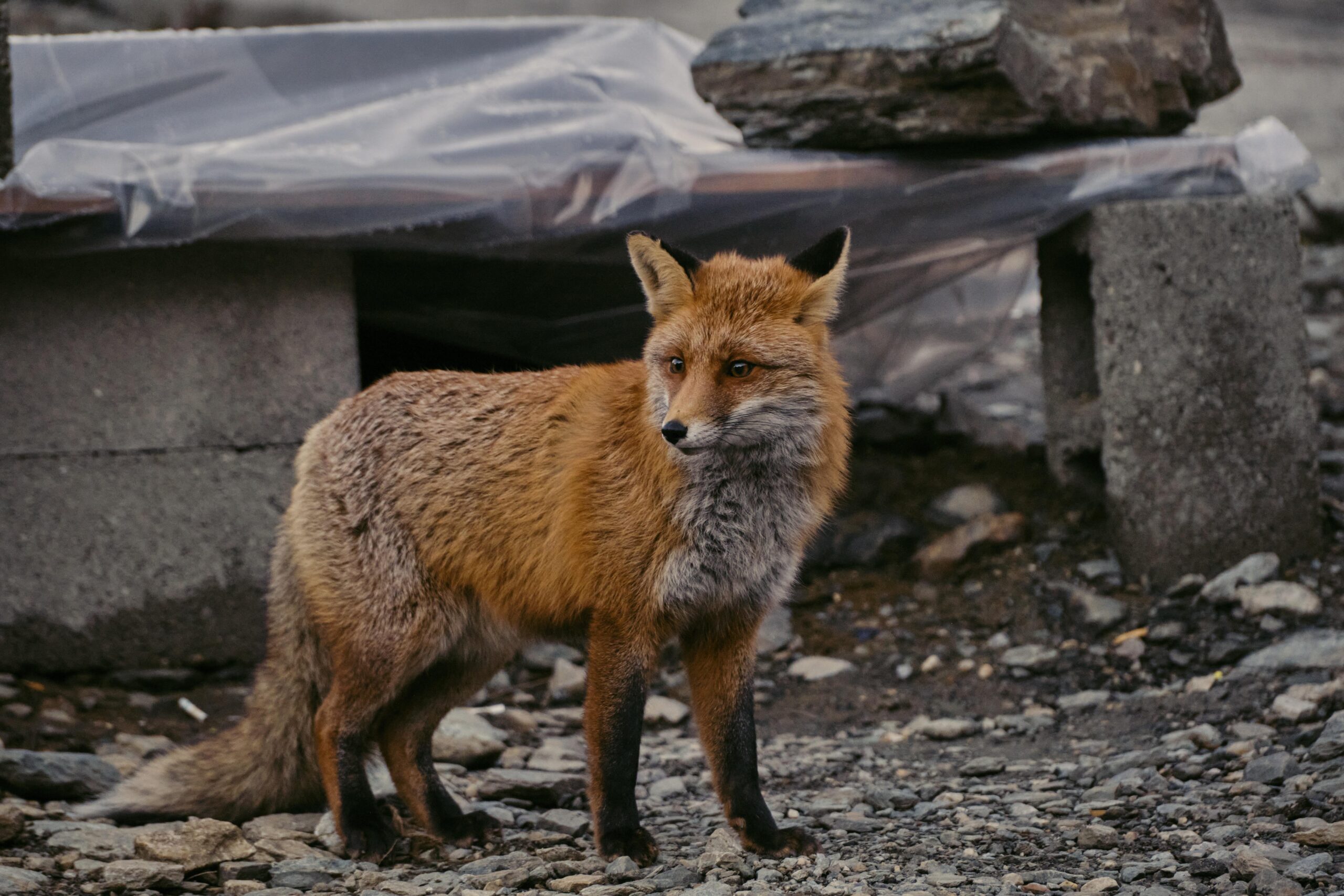
Urban foxes are no longer unusual in the UK. From small towns to major cities, sightings are increasingly common. For some people, this feels like a sudden change — as though foxes are “invading” urban areas.
In reality, the shift has been gradual and driven by predictable environmental factors.
Understanding why foxes are moving into towns and cities helps reduce anxiety and makes it easier to respond calmly and effectively when they appear in gardens or neighbourhoods.
This guide explains:
- How urban fox populations developed
- Why towns provide ideal habitat
- Whether numbers are increasing
- Why some areas see more fox activity than others
- What this means for homeowners
If you are noticing fox activity in your own garden, you may also find it helpful to understand why foxes keep coming back to gardens and how routine behaviour influences repeat visits.
Why Foxes Are Moving Into UK Towns and Cities (Quick Answer)
Foxes are moving into UK towns and cities because urban environments provide reliable food sources, shelter, warmer conditions, and fewer survival pressures than rural areas. These factors make towns highly suitable habitats for adaptable species like foxes.
Urban Foxes Are Not New
Foxes began colonising British cities in noticeable numbers during the mid-20th century. By the 1970s and 1980s, established urban populations existed in places such as London, Bristol and Birmingham.
This expansion happened because foxes are highly adaptable generalist mammals. They can adjust their behaviour, diet and activity patterns in response to changing environments.
Urban areas, surprisingly, provide many advantages.
1. Reliable Food Sources
One of the main reasons foxes thrive in towns is food predictability.
Urban environments offer:
- Household waste
- Accessible bins
- Compost heaps
- Pet food left outdoors
- Bird feeders (and fallen seed)
- Small mammals such as rodents
Unlike rural areas, where food supply fluctuates seasonally, towns often provide consistent year-round access to calories.
Foxes are opportunistic omnivores. They do not depend solely on hunting. They exploit available resources efficiently.
When food is abundant and predictable, territories can support higher densities of foxes.
Our guide to preventing fox problems in UK gardens explains how reducing food sources can significantly lower fox activity.
2. Warmer Microclimates
Cities are typically slightly warmer than surrounding countryside due to the “urban heat island” effect.
Warmer winter temperatures can:
- Improve cub survival rates
- Reduce energy expenditure
- Increase breeding success
Even small temperature differences can influence wildlife distribution.
Urban environments may therefore offer subtle survival advantages compared to exposed rural landscapes.
3. Fewer Natural Threats
In much of the UK, adult foxes have few natural predators.
In rural areas, fox populations are often influenced by land management practices, including shooting.
Urban areas generally experience less direct population control. As a result:
- Territories can remain stable
- Survival rates may be higher
- Generational continuity increases
This does not mean urban populations grow without limit — foxes remain territorial animals. But survival pressures differ.
4. Habitat Fragmentation in the Countryside
Over decades, agricultural intensification and land development have altered rural habitats.
Changes such as:
- Hedgerow removal
- Large-scale monoculture farming
- Road expansion
- Housing development
…have reshaped traditional wildlife corridors.
Foxes are adaptable enough to move toward areas that offer shelter and resources — and towns often provide both.
Gardens, parks and railway embankments create patchwork habitats that can support urban territories.
5. Gardens Function as Mini-Habitats
Urban gardens collectively form a mosaic of:
- Lawns
- Shrubs
- Decking
- Sheds
- Compost areas
- Quiet corners
To a fox, this can resemble fragmented woodland edge habitat.
Gaps under sheds or decking may be used temporarily as resting sites or, in spring, denning locations.
This does not necessarily indicate aggressive behaviour — it reflects habitat use.
If you have seen a fox resting or staying in your garden, you can read more about why a fox might sit in your garden and what this behaviour means.
6. Territorial Behaviour and Dispersal
Young foxes leave their birth territory in autumn to establish their own.
This natural dispersal process often increases sightings during certain seasons.
It can create the impression that numbers are “suddenly increasing” when, in fact, it is part of normal population dynamics.
Fox numbers fluctuate depending on:
- Territory availability
- Food supply
- Disease
- Breeding success
Urban populations are not endlessly expanding — they stabilise according to resource limits.
Are Fox Numbers Increasing in UK Towns and Cities?
Estimates suggest that urban fox populations have remained relatively stable in many areas, though local fluctuations occur.
Perception often differs from measured data.
Reasons sightings feel more frequent include:
- Increased use of security cameras
- Social media reporting
- Greater public awareness
- Changes in human outdoor activity patterns
Foxes have become more visible — not necessarily more numerous.
Why Some Neighbourhoods See More Foxes Than Others
Urban fox distribution is uneven.
Higher activity tends to occur where:
- Food waste is easily accessible
- Gardens are interconnected
- Quiet shelter areas exist
- Human disturbance is low
Neighbourhoods with tightly secured bins and limited shelter often see fewer regular visits.
If foxes are frequently entering your garden, it is usually due to environmental opportunity rather than targeted behaviour.
If you are experiencing repeated visits, you may find our guide on how to deter foxes legally in the UK helpful for practical, humane ways to reduce visits.
Are Foxes “Choosing” Urban Life?
Foxes are not consciously choosing towns over countryside in a strategic sense.
They respond to:
- Resource availability
- Safety
- Breeding opportunity
Urban foxes tend to:
- Be slightly smaller
- Have smaller territories
- Adapt activity patterns to avoid people
Over time, behavioural adaptation reinforces urban tolerance.
This does not make foxes domesticated. They remain wild animals.
What This Means for Homeowners
Understanding the drivers of urban fox presence helps shift perspective.
Foxes are not invading.
They are adapting.
In most cases:
- They are passing through
- They are searching for food
- They are exploring territory
Repeated visits usually indicate consistent food access or shelter opportunity.
You can also explore why foxes dig holes in gardens if you are seeing signs of digging or lawn disturbance.
Addressing those factors reduces long-term presence more effectively than reactive measures.
A Balanced View of Coexistence
Urban wildlife exists because towns provide viable habitat.
Complete removal of foxes from cities is neither realistic nor ecologically straightforward.
The more practical approach is:
- Secure food sources
- Reduce shelter opportunities
- Use humane deterrence where necessary
- Understand seasonal behaviour
When behaviour is understood, response becomes calmer and more proportionate.
Final Thoughts
Foxes are moving into UK towns and cities because urban environments provide:
- Reliable food
- Shelter
- Warmer conditions
- Reduced rural pressures
- Fragmented habitat suitable for territory
This shift reflects adaptability — not aggression.
For most people, fox presence can be managed through environmental adjustments rather than extreme action.
Understanding behaviour is the first step toward reducing conflict responsibly.
This article forms part of our fox guidance hub, where you can explore behaviour, deterrence strategies, and practical advice for living alongside foxes in the UK.
Key Takeaways
- Foxes have lived in UK towns and cities for decades
- Urban areas provide reliable food and shelter
- Gardens act as small habitats within fox territories
- Sightings may feel more common due to visibility, not population growth
- Most fox activity is driven by opportunity rather than aggression
Sources and Guidance
This article draws on published research and UK wildlife guidance including:
- Philip J. Baker and Stephen Harris – long-term studies on urban fox ecology and behaviour in British cities
- The Mammal Society – information on red fox ecology and habitat use
- Department for Environment, Food & Rural Affairs – guidance on wildlife management and urban environments
- Natural England – advisory information on habitat and wildlife management
0 responses to “Why Foxes Are Moving Into UK Towns and Cities”