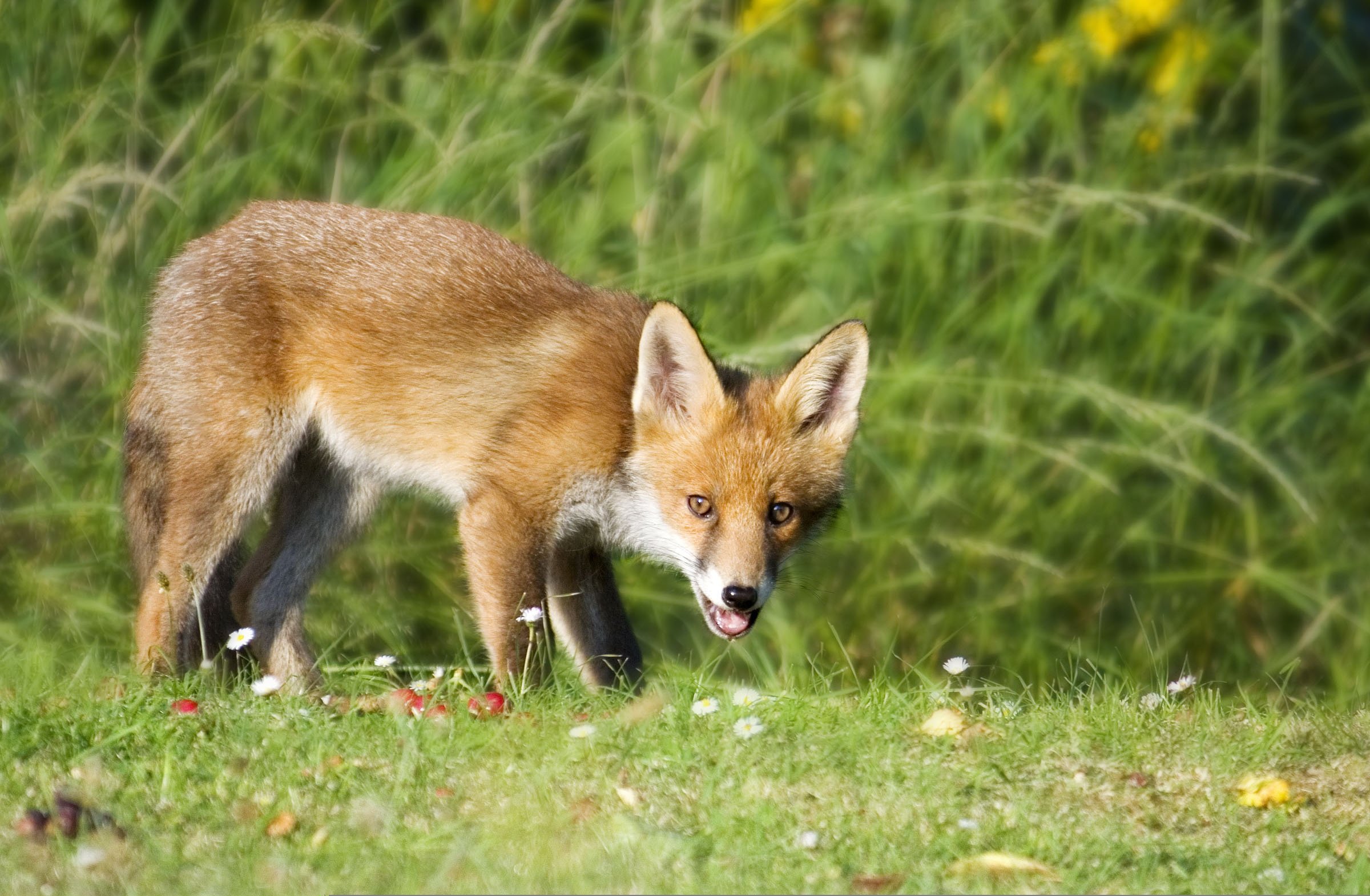
Many people notice the same fox returning to their garden night after night. This can feel deliberate, as though the animal has “chosen” the space.
In most cases, this behaviour is not unusual. Urban foxes regularly revisit areas that provide reliable food, shelter, or safe passage through their territory.
Understanding why foxes return can help homeowners respond calmly and reduce repeat visits without causing harm.
Why Do Foxes Keep Coming Back to Gardens? (Quick Answer)
A fox will keep coming back to your garden if it finds food, shelter, or a safe and predictable environment. Foxes are opportunistic animals and quickly learn where resources are available, often returning to the same locations as part of their regular territory.
Why Foxes Return to the Same Garden
Foxes are territorial animals that move through familiar routes each night. If a garden provides something useful, it may become part of that routine.
This does not mean the fox “belongs” to the garden.
It simply means the space fits into its wider territory.
Our guide to why foxes are moving into UK towns and cities explains how these territories develop in urban environments.
1. Reliable Food Sources
Food is the most common reason foxes return.
Foxes are opportunistic omnivores. They will repeatedly visit places where food is easy to find.
Common attractants include:
- unsecured bins
- compost containing food waste
- pet food left outdoors
- fallen fruit
- bird feeders and dropped seed
Even small amounts of food can encourage repeated visits.
Once a fox learns that food is available, it may check the same garden regularly as part of its nightly route.
2. Safe and Quiet Resting Areas
Gardens often provide quiet spaces where foxes can pause.
This might include:
- dense shrubs
- corners shielded by fences
- areas with limited human disturbance
Foxes may briefly sit or lie down in these areas while moving through their territory.
If you have seen a fox resting, our guide to why a fox might sit in your garden explains this behaviour in more detail.
3. Shelter and Den Opportunities
Foxes may return to investigate potential den sites.
Common locations include:
- under sheds
- beneath decking
- inside overgrown areas
This behaviour is more likely during the breeding season, when foxes look for safe places to raise cubs.
You can learn more about this in our guide to why foxes dig holes in gardens, which explains how foxes explore sheltered spaces.
4. Learned Behaviour and Routine
Foxes are intelligent animals that learn from experience.
If a garden consistently provides:
- food
- shelter
- safety
the fox may begin incorporating it into a regular route.
Over time, visits can appear predictable.
This is not attachment — it is learned behaviour based on reward.
5. Territorial Movement
Urban fox territories often cover several neighbourhoods.
Foxes move through these areas regularly while:
- searching for food
- checking scent markings
- interacting with other foxes
A garden may simply lie along a frequently used route.
This is why sightings often occur at similar times each day.
Is the Same Fox Coming Back?
In many cases, it is.
Foxes maintain territories and tend to follow familiar paths.
However, it is also possible that:
- multiple foxes share overlapping areas
- a new fox has taken over the territory
To a homeowner, these visits can appear identical.
Should You Be Concerned?
In most cases, no.
Foxes returning to a garden is usually a sign that the environment provides something useful, not that the animal is aggressive or dangerous.
Most foxes:
- avoid people
- remain active at night
- leave quickly if disturbed
However, repeated visits can become inconvenient if they involve digging, noise, or mess.
How to Stop Foxes Coming Back
The most effective way to reduce repeat visits is to remove the reasons the fox is returning.
Helpful steps include:
- securing household waste
- removing outdoor pet food
- covering compost bins
- reducing access to sheltered areas
- clearing fallen fruit
These changes make the garden less rewarding and less predictable.
Our guide to preventing fox problems in UK gardens explains these steps in more detail.
Humane Deterrence
If additional action is needed, humane deterrence can help.
Simple methods include:
- motion-activated lights
- making noise when a fox is present
- maintaining regular human activity in the garden
Foxes prefer quiet, predictable environments.
Disruption often encourages them to move elsewhere.
Our guide to how to deter foxes legally in the UK explains safe and lawful deterrence methods.
When Visits Continue
Even after changes are made, foxes may return occasionally.
This is normal.
Foxes may:
- check previously rewarding areas
- pass through as part of their territory
Over time, visits usually reduce once the garden no longer provides food or shelter.
Understanding Urban Fox Behaviour
Urban foxes have adapted to living alongside people.
Gardens, parks, and streets form part of a wider network of territory.
Repeated visits are not personal or targeted.
They are simply part of how foxes navigate their environment.
Understanding this helps reduce concern and allows for more effective, measured responses.
Key Takeaways
- Foxes return to gardens that provide food, shelter, or safety
- Behaviour is driven by opportunity, not intent
- Gardens often form part of a fox’s regular territory
- Removing attractants is the most effective long-term solution
- Most visits are harmless and temporary
Frequently Asked Questions
Why does a fox keep coming into my garden every night?
Foxes often revisit places where they have previously found food or shelter. Once a routine is established, they may return regularly as part of their territory.
Will a fox eventually stop coming back?
Yes, in many cases. If food and shelter are removed, visits usually become less frequent over time.
Is it the same fox every time?
Often, yes. Foxes follow established territories, although different foxes may occasionally pass through the same area.
Should I scare a fox away?
In most cases, simple actions such as making noise are enough to encourage a fox to leave. Avoid aggressive or harmful methods.
Sources and Guidance
This article draws on established wildlife research and UK guidance including:
- The Wildlife Trusts – information on red fox behaviour and urban adaptation
- RSPCA – advice on fox behaviour and humane deterrence
- Department for Environment, Food & Rural Affairs – guidance on wildlife management
- Research by Stephen Harris and Philip J. Baker on urban fox territorial behaviour
For more guidance on living alongside foxes, visit our fox guidance hub, where you can explore behaviour, prevention strategies, and UK wildlife law.
0 responses to “Why Do Foxes Keep Coming Back to My Garden?”